
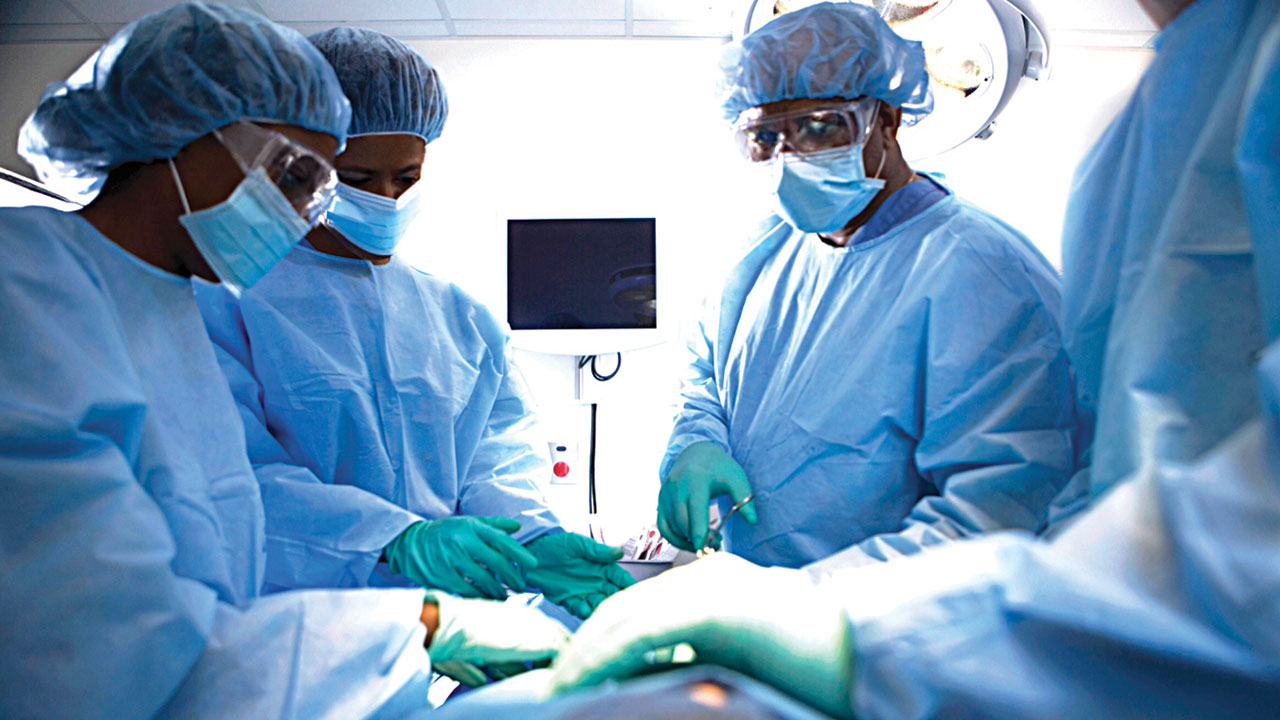
The United States has reversed a previous visa ban, allowing Nigerian and other international physicians to resume visa applications and processing to help address a critical shortage of 65,000 doctors across the country.
The United States government has quietly reversed a policy that previously imposed a blanket visa ban on physicians from several countries, including Nigeria, citing national security concerns earlier this year. The U.S. Citizenship and Immigration Services (USCIS) recently updated its website to indicate that medical professionals are no longer subject to the processing hold, a move later confirmed by the Department of Homeland Security (DHS). According to a statement provided to The New York Times, the DHS clarified that “Applications associated with medical physicians will continue processing,” effectively clearing the way for thousands of Nigerian doctors who make up the sixth-largest group of foreign physicians on J-1 visas in the U.S.
The policy shift comes as the Association of American Medical Colleges (AAMC) warns of a mounting healthcare crisis, with the U.S. currently facing a deficit of approximately 65,000 physicians. This shortage is projected to worsen over the next decade due to an aging population and a high rate of retirement among domestic doctors. In response to the initial ban, several prominent medical bodies—including the American Academies of Family Physicians, Neurology, and Pediatrics—sent an urgent letter to federal secretaries on April 8. The associations expressed “urgent concern” about the barriers preventing “qualified, vetted physicians” from entering or remaining in the country to provide essential care.
While the H-1B visa holders were not specifically itemized in recent workforce databases, the AAMC notes that 25.6 percent of all active physicians in the U.S. are international medical graduates, highlighting the system’s heavy reliance on foreign talent. The medical associations had campaigned heavily for a national-interest exemption and expedited processing to prevent a collapse in service delivery. By lifting the restrictions, the U.S. aims to stabilize its health workforce, providing Nigerian doctors and other international graduates the necessary legal pathway to resume their roles in American hospitals and clinics.
READ THE FULL STORY IN THE CABLE
NEWS NOW: