
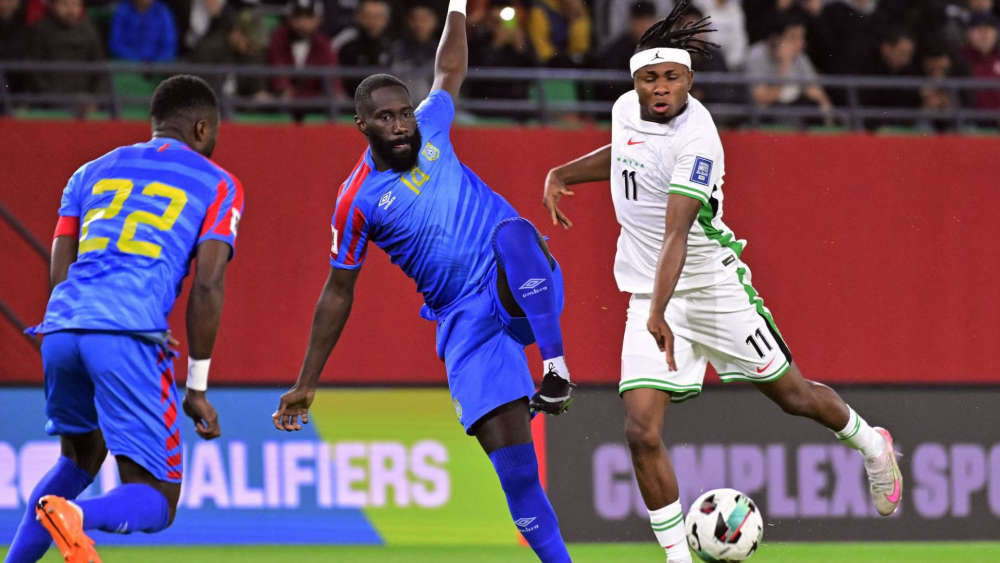
Nigeria has petitioned FIFA to disqualify DR Congo from the 2026 World Cup intercontinental playoffs over alleged player eligibility breaches following their penalty shootout defeat.
Football fans in Nigeria are anxiously awaiting a decision from FIFA over an eligibility dispute involving the Nigeria national football team and DR Congo national football team after their dramatic African playoff final. Nigeria lost the decisive match 4–3 on penalties, a result that handed DR Congo a place in the intercontinental playoffs scheduled for March, where two teams will compete for a spot at the 2026 FIFA World Cup in the United States, Canada and Mexico. However, the Nigeria Football Federation (NFF) has formally challenged the outcome and is demanding that DR Congo be disqualified.
The NFF’s petition centres on allegations that DR Congo fielded ineligible players, particularly regarding dual nationality claims. Nigeria argued that some Congolese players were not eligible because DR Congo does not officially recognise dual citizenship. Players named in the complaint include Aaron Wan-Bissaka, Axel Tuanzebe and Femi Seriki, who previously represented other countries at youth level or hold European passports. NFF Secretary General Mohammed Sanusi accused the Congolese federation of “fraud,” alleging it misled FIFA during the nationality switch process in breach of regulations.
The Congolese Association Football Federation (FECOFA) has rejected the allegations, accusing Nigeria of attempting to “win through the back door” and showing poor sportsmanship. While FIFA has yet to issue a verdict, possible outcomes range from dismissal of the petition—allowing DR Congo to retain their playoff spot—to fines or sanctions if procedural violations are established. In rare cases involving clear registration fraud, FIFA could overturn a result, though such measures are uncommon. Both federations maintain they have not received any official ruling from the world football governing body.
Here are ten things to know about the case:
1. Nigeria lost the playoff final on penalties
The Super Eagles lost the African playoff final to DR Congo 4–3 on penalties, missing out on direct qualification for the intercontinental playoff.
2. Nigeria filed a formal complaint to FIFA
After the match, the Nigeria Football Federation (NFF) submitted a petition to FIFA, alleging that DR Congo used ineligible players.
3. The petition centres on dual nationality claims
Nigeria argued that some DR Congo players were not eligible because DR Congo does not officially recognise dual citizenship.
4. Players named in the complaint
The NFF mentioned players such as Aaron Wan-Bissaka, Axel Tuanzebe, and Tephy Mavididi, who previously represented other countries at youth level or hold European passports.
5. NFF accused DR Congo of “fraud”
NFF Secretary General Mohammed Sanusi said the Congolese federation allegedly misled FIFA during the nationality switch process, calling it a breach of FIFA regulations.
6. DR Congo rejected Nigeria’s claims
The Congolese Football Federation (FECOFA) dismissed the petition, accusing Nigeria of trying to “win through the back door” and showing poor sportsmanship.
7. Possible outcomes if FIFA rejects Nigeria’s petition
If FIFA finds insufficient evidence, DR Congo will keep their spot in the intercontinental playoff, and the result will stand.
8. Possible punishment if FIFA finds wrongdoing
Even if procedural violations are found, FIFA may fine DR Congo or sanction the federation without changing the match result.
9. Rare but severe punishment could change the result
In extreme cases, FIFA could overturn the match result or deduct points—though this usually happens in group-stage competitions or clear registration fraud cases.
10. FIFA has not issued a verdict yet
Despite rumours online, FIFA has not released any official ruling, and both federations say they have not received any decision from world football’s governing body.
READ THE FULL STORY IN VANGUARD
NEWS NOW: