
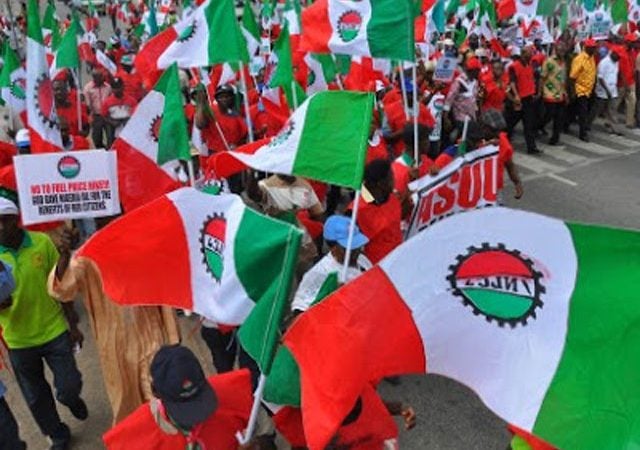
Organized labor in Nigeria’s public service has formally demanded a new minimum wage of ₦154,000, representing a 120% upward review of salaries to combat what they described as a “life of servitude” caused by escalating inflation.
The council’s demand follows an exhaustive meeting held on March 9 in Abuja, where labor leaders highlighted the “severe economic hardship” facing the workforce. Beyond the base salary increase, the JNPSNC is pushing for the introduction of “Cost-of-Living Adjustments” (COLA)—automatic, periodic salary reviews aligned with inflation rates to prevent the recurring lag between wage cycles. The letter emphasized that many workers can no longer meet basic financial obligations, stating: “Despite their immense contributions, public service workers continue to face severe economic hardship due to the rising cost of living and the declining purchasing power of their earnings.”
The Joint National Public Service Negotiating Council (JNPSNC), an integral arm of the Nigeria Labour Congress (NLC), has officially submitted a proposal for a ₦154,000 national minimum wage for federal workers. In a letter addressed to the Office of the Head of the Civil Service of the Federation, dated March 12, 2026, the council argued that the current ₦70,000 wage—approved only in 2024—has been completely eroded by “unprecedented economic pressures.” Signed by National Chairman Benjamin Anthony and National Secretary Olowoyo Gbenga, the demand calls for a 120% increase across all salary grade levels to restore the purchasing power of public servants who are struggling with skyrocketing costs for food, transportation, and healthcare.
The timing of this demand is critical, as it coincides with a period of intense industrial friction over unpaid wage awards from late 2025. Labor leaders warned that a timely upward review is not just an economic necessity but a social one to “nip in the bud possible escalation that may nosedive into spontaneous social unrest.” While the government recently approved the payment of some outstanding gratuities to retiring workers—a move the council commended—the unions insist that immediate negotiations must begin with the National Salaries, Income and Wages Commission. Failure to address the ₦154,000 proposal could lead to a coordinated strike action across the federal civil service as early as next month.
NEWS NOW: