
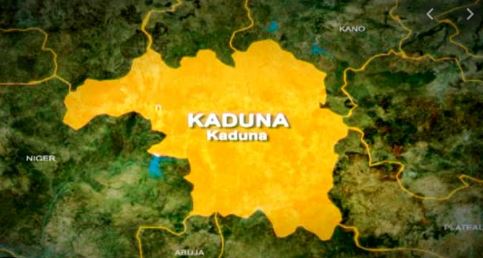
In what has been described as a major budgetary anomaly, the Federal Co-operative College in Kaduna State disbursed ₦1.7 billion on December 19, 2025, to eight different companies. According to records uncovered by the Foundation for Investigative Journalism (FIJ) via the Govspend portal, each payment exceeded ₦200 million and was designated for the construction of police stations in Akwa Ibom State. Notable beneficiaries include Hard Harts Construction Limited, which received ₦235 million for a “South South station,” and Zentrum Builders Limited, paid ₦234.9 million for a station in Oruk Anam. Other payments targeted locations in Ikono, Ika, Obot Akara, Otoro, and Ikot Udobong, despite the college being located hundreds of kilometers away in Northern Nigeria.
The discovery has raised serious questions about the institution’s adherence to its founding mandate. Established under the Federal Ministry of Agriculture and Food Security, the college is strictly tasked with training manpower in co-operative studies, rural development, and applied commerce. Critics argue that using educational funds for internal security infrastructure—especially in a different geopolitical zone—represents a “ridiculous” diversion of public resources. This incident follows a similar report from February 2025, where the same college reportedly paid ₦2.06 billion for untraceable non-academic projects, including the supply of SUVs for traditional rulers in Lagos and grains in Sokoto.
The trend of “mandate straying” appears to be systemic, with other institutions like the Federal Co-operative College in Ibadan also flagged for paying ₦1.2 billion for boreholes and medical equipment in distant states. While the construction of police stations is a vital public need, transparency advocates argue these projects should be handled by the Nigeria Police Trust Fund or the Ministry of Interior, not academic institutions. As of March 18, 2026, the college management has yet to explain how these projects were inserted into its budget or whether the police stations in Akwa Ibom have actually been built.
NEWS NOW: