
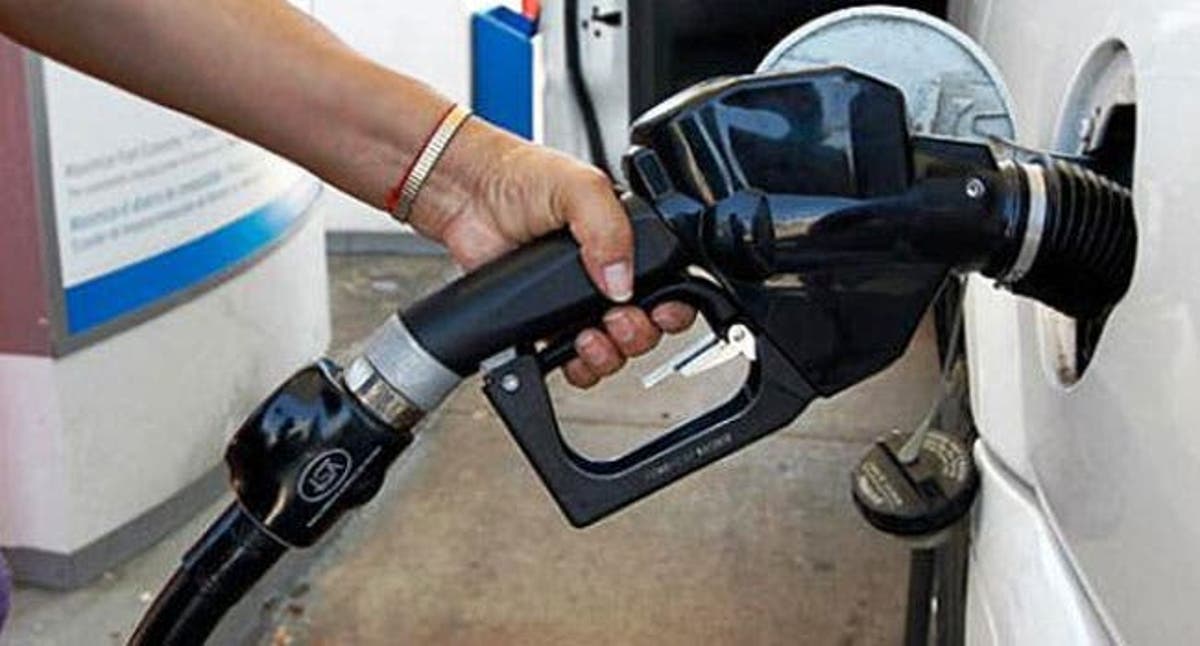
Global oil prices have plunged back to pre-US-Iran war levels, with Brent crude at $73.14 per barrel, yet Nigerian pump prices remain stubbornly stuck between N1,200 and N1,300 per litre — and experts say don’t hold your breath for immediate relief.
The war ended. Oil prices crashed. Your fuel bill? Unmoved.
Global crude prices have retreated sharply since the US-Iran peace agreement, with Daily Trust reporting Brent crude dropping to $73.14 per barrel and WTI falling to $69.85 — nearly back to pre-war levels. Yet across Nigerian filling stations, petrol prices continue hovering between N1,200 and N1,300 per litre.
For context, before US-Iran hostilities erupted and the Strait of Hormuz — the waterway controlling one-fifth of global oil supply — was shut, Nigerians paid between N770 and N800 per litre. Since the peace deal, pump prices have dropped by just N75.
One marketer told Daily Trust the ex-depot price shouldn’t exceed N700 per litre against the current N1,180.
So what’s the hold-up? Oil and gas analyst Dr. Ayodele Oni delivered a sobering reality check.
“For the ordinary Nigerian, the honest answer is that even if crude falls back, pump prices are unlikely to follow it all the way down. Our market is deregulated, and the binding factor is no longer Brent or crude prices alone, but the exchange rate, since landed petrol cost is priced in dollars,” Oni explained.
His bottom line was blunt — “Lower crude is necessary, but on its own it is not enough. The naira does much of the heavy lifting.”
Analysts say sustained naira stability could eventually force marketers to review prices downward.
Could. Eventually. Meanwhile, Nigerians keep paying.
NEWS NOW: