
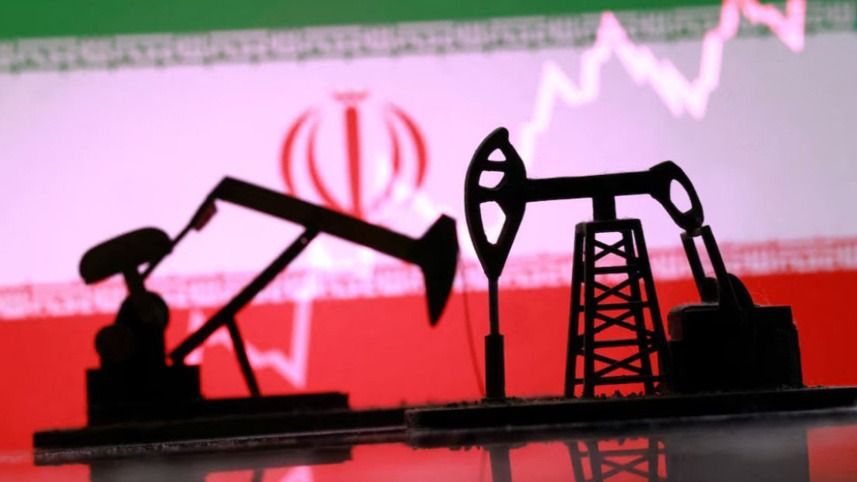
Iran’s military has warned that global oil prices could skyrocket past $200 per barrel if the United States and Israel continue to target its energy infrastructure, as Brent crude surged to a four-year high of $119 following weekend strikes on Tehran’s oil depots.
Iran has issued a chilling warning that global oil prices could more than double, potentially exceeding $200 per barrel, if the United States and Israel persist in their military offensive against the country’s energy infrastructure. Ebrahim Zulfikari, a spokesperson for the Hatem al-Anbiya Central Headquarters of the Islamic Revolutionary Guard Corps (IRGC), delivered the ultimatum on Iranian state television on Monday, March 9, 2026. The warning follows a series of joint U.S.-Israeli strikes that left oil depots in Tehran smoldering, prompting Iranian officials to signal a shift in strategy that could see the conflict expand beyond purely military targets. “If you can tolerate the price of oil exceeding $200 per barrel, continue this game,” Zulfikari stated, calling on Islamic nations to pressure Washington and Tel Aviv to halt their “cowardly and inhumane actions.”
The threat has sent shockwaves through global energy markets, with Brent crude—the international benchmark—surging by nearly 30 percent on Monday morning to reach a peak of $119.50 per barrel. This represents the first time oil has traded in triple digits since the 2022 invasion of Ukraine, as investors price in the risk of a total shutdown of the Strait of Hormuz, through which 20% of the world’s oil passes. Iranian officials have hinted that their “target selection strategy” is being revised, suggesting that any further escalation may lead to retaliatory strikes against regional energy hubs and U.S.-linked commercial facilities across the Middle East. “Otherwise, similar steps will be taken in the region,” Zulfikari warned, indicating that Tehran no longer feels bound to avoid economic targets if its own refineries are destroyed.
While U.S. President Donald Trump has dismissed the price spike as a “short term” consequence of neutralizing the “Iran nuclear threat,” global finance ministers are reportedly considering an emergency joint release of petroleum reserves to stabilize the market. The volatility comes at a sensitive time for the global economy, with the G7 nations already struggling with inflationary pressures. As the war enters its second week, the prospect of a sustained supply crunch has triggered a massive sell-off in international stock markets. With Iraq and Kuwait already reporting production cuts and Qatar temporarily suspending LNG shipments due to the regional instability, the international community remains on high alert for a potential “global economic shock event” that could redefine energy security for years to come.
READ THE FULL STORY IN AZER NEWS
NEWS NOW: