
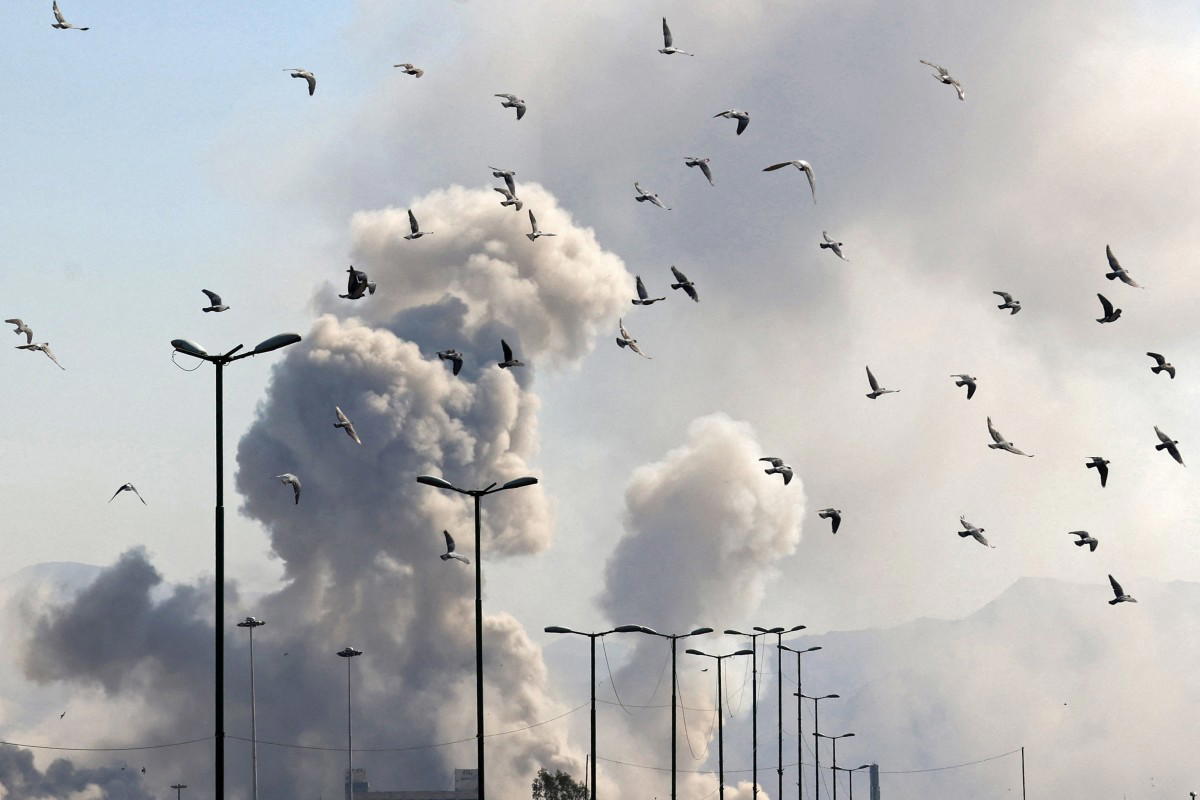
Economic experts have warned that the escalating conflict between Iran, the United States, and Israel will inflict severe hardship on vulnerable Nigerian households, as energy-driven inflation and capital flight threaten to outweigh the fiscal gains of higher crude oil prices
As the Middle East crisis intensifies following the February 2026 strikes on Tehran, financial analysts have signaled a “double-edged shock” for Nigeria’s economy. On Saturday, March 14, 2026, Dr. Muda Yusuf, CEO of the Centre for the Promotion of Private Enterprise (CPPE), noted that while higher crude prices—now surging past $80 per barrel—could strengthen external reserves and increase FAAC allocations, the overall impact on citizens will likely be negative. The positives, including improved foreign exchange inflows, remain precarious due to Nigeria’s stagnant production levels, which have fluctuated between 1.4 and 1.6 million barrels per day. Yusuf cautioned that “the implications are significant,” adding that the final outcome depends on “the duration of the conflict and the quality of domestic policy responses.”
The immediate threat to the Nigerian public lies in the rapid transmission of global energy costs to the domestic market. Under the current deregulated pricing regime, rising international crude benchmarks have already pushed petrol and diesel prices toward the ₦1,100 and ₦1,200 marks, respectively. This spike has a “strong multiplier effect” on the cost of food distribution and manufacturing, effectively eroding the purchasing power of low-income earners. Despite the stabilizing presence of the Dangote Refinery, which has absorbed some of the global shocks, experts warn that inflation could soon surge to a range of 30–35%. As one analyst noted, the fiscal upside for the government is “inherently fragile” because any dip in global demand caused by the conflict could lead to sharp price corrections.
Beyond fuel and food, the crisis is triggering a “flight to safety” among global investors, who are migrating capital toward U.S. Treasury securities and gold. This trend frequently leads to portfolio outflows from emerging markets like Nigeria, potentially offsetting the gains from increased oil revenue and putting further pressure on the naira. To navigate this “urgent economic storm,” experts are calling for the government to channel any windfall into fiscal buffers and targeted social safety nets rather than expanded recurrent spending. As Dr. Yusuf emphasized, for an oil-dependent nation where crude accounts for over 85 percent of export earnings, “every increase in crude oil price translates into additional export earnings and fiscal revenues,” but without domestic discipline, these gains will remain invisible to the average Nigerian.
READ THE FULL STORY IN VANGUARD
NEWS NOW: