
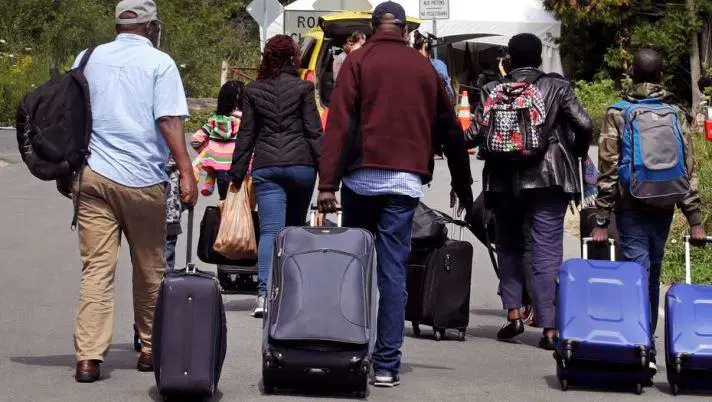
Rising calls for tighter Schengen border controls, sparked by a migration surge from Morocco to Spain, could reshape travel, visa access and mobility for millions of Africans living in or visiting Europe.
5 Ways New Visa Rules Could Affect Nigerians, Other Africans Traveling to Europe
Europe’s border debate is heating up, and Africans could feel the impact. Per Vanguard, the controversy follows a spike in irregular migration to Spain, with about 49,000 migrants from Morocco reportedly arriving in the country. French presidential hopeful Marine Le Pen has called for tighter French border controls and proposed restricting Schengen free movement to EU nationals only from 2027, though this remains a political pledge rather than official EU policy.
Still, any shift could ripple across five key areas. First, movement within Europe could become more restricted for non-EU residents currently living legally under residence permits. Second, applying for visas could get tougher — six of the 10 countries with the highest global Schengen rejection rates are African, including Comoros at 61.3% and Ghana at 47.5%.
Third, African residents already in Europe on work, study or family permits could face tighter mobility rules. Fourth, visa costs remain a major burden: African applicants lost nearly €60 million in non-refundable fees in 2024 alone, according to the LAGO Collective.
Finally, uncertainty could grow for major applicant countries like Morocco, which submitted over 591,000 Schengen applications in 2023, along with Algeria, South Africa, Tunisia and Nigeria. Any formal policy change would require approval at national and EU levels.
NEWS NOW: