
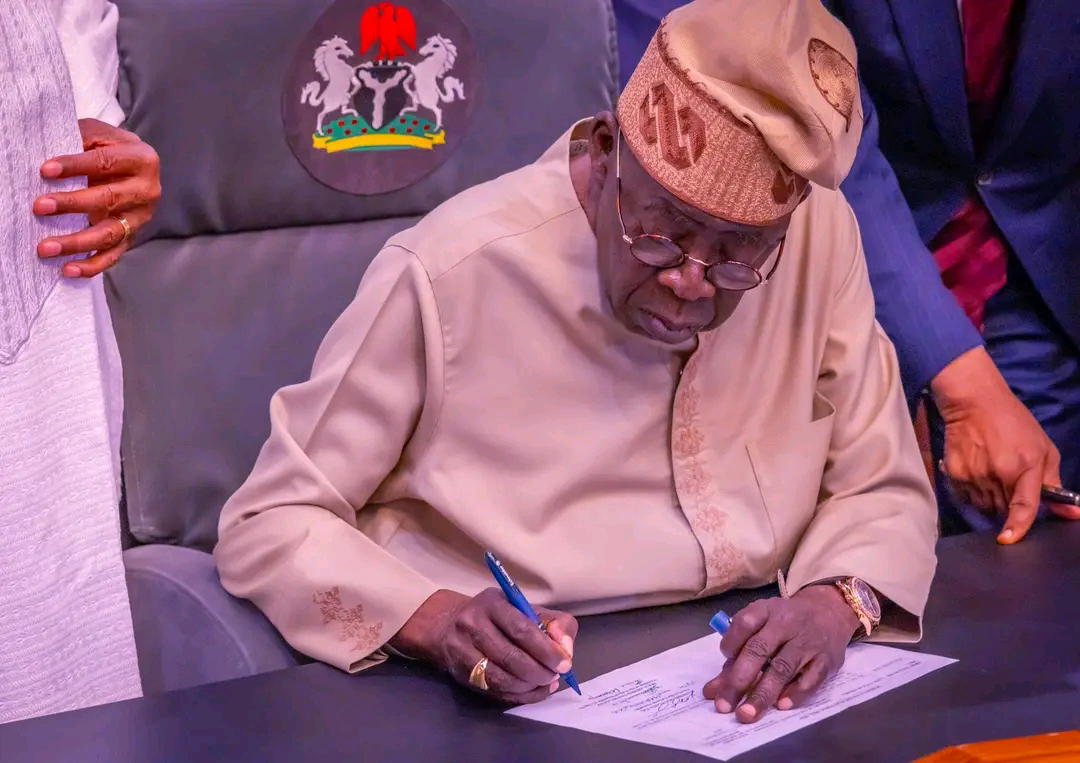
Nigeria’s political landscape has erupted in fierce debate just 24 hours after the Senate passed the State Police Bill, with pro-democracy advocates celebrating decentralisation while retired security chiefs, lawyers and opposition parties warn of funding crises, rampant corruption and governors weaponising police forces ahead of 2027 elections.
The Senate voted. The drums started beating. Then the alarm bells followed.
Twenty-four hours after Nigeria’s upper chamber passed the Constitution Alteration (State Police) Bill, 2026 — one day after the House of Representatives led the way on June 11 — the country is locked in a ferocious debate about whether this landmark moment is liberation or a loaded gun pointed at democracy itself.
The bill, if ratified by 24 State Houses of Assembly, will dismantle the Nigeria Police Force’s age-old monopoly, replacing it with a dual structure — a Federal Police Service and individual State Police Services, each empowered to hire, fund and deploy their own personnel under National Assembly-prescribed standards.
Supporters are euphoric. Critics are terrified.
Leading the skeptics, retired Commissioner of Police Balarabe Sule, as reported by Vanguard, delivered a sobering reality check, warning that noble intentions could collapse under financial strain.
“I can very well tell you that many states will not have the resources to equip and pay remuneration for those to be employed to function effectively,” Sule told reporters in Calabar, according to Nigerian media.
The consequence, he warned, is predictable.
“When you don’t pay them well and as at when due, they will be exposed to corruption,” Sule added pointedly.
Beyond funding, the darkest fear stalking this conversation is political — governors deploying freshly-minted state police forces as instruments of electoral intimidation ahead of 2027.
Nigeria just rewrote its security architecture. Whether that rewrites safety or suffering remains the trillion-naira question.
NEWS NOW: