
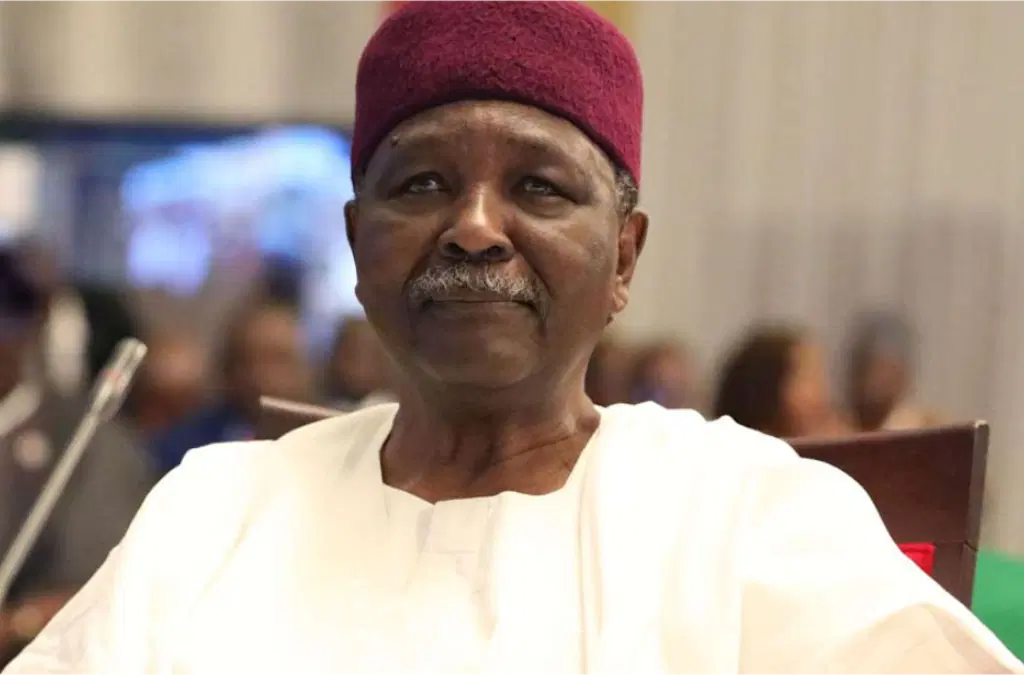
In his newly released autobiography, former Head of State General Yakubu Gowon has accused the late Biafran leader Chukwuemeka Odumegwu Ojukwu of intentionally thwarting peace initiatives and precipitating the Nigerian Civil War.
Former Head of State, General Yakubu Gowon, has reopened one of the most painful chapters in Nigeria’s national history by accusing the late Biafran leader, Colonel Chukwuemeka Odumegwu Ojukwu, of frustrating repeated efforts to stop the country from sliding into a catastrophic civil war. The claim, contained in Gowon’s recently launched autobiography, My Life of Duty and Allegiance, offers a deeply personal, retroactive account of the failed peace talks, political mistrust, and constitutional disputes that shattered negotiations between the federal military government and the Eastern Region prior to the 1967–1970 conflict. Reflecting on the intense domestic trauma that followed the bloody January and July 1966 coups, Gowon placed the historical responsibility for the breakdown of the peace process directly on his erstwhile military contemporary. “Ojukwu deliberately and effectively thwarted every effort we made to amicably resolve our national issues,” Gowon wrote.
The former military ruler detailed how multiple administrative attempts were made to establish a lasting political settlement after the mass killings of Igbos in parts of Northern Nigeria had triggered widespread outrage, fear, and growing separatist pressure across the Eastern Region. According to the memoir, the federal military government agreed to the high-stakes January 1967 summit in Aburi, Ghana, under the genuine impression that open diplomacy could still avert the total collapse of the federation. The meeting, brokered by former Ghanaian leader Lt.-Gen. Joseph Arthur Ankrah, brought together Nigeria’s top military brass at a time when institutional trust within the armed forces had completely eroded. “We went to Aburi with open minds and with the sincere hope of finding a basis for national reconciliation,” Gowon wrote.
However, the historic talks ran into immediate crisis once both delegations returned from Ghana, as each side began operating under vastly different interpretations of the decentralization framework that had been hammered out. Gowon asserted that Ojukwu’s unilateral interpretation of the Aburi Accord would have fatally castrated the constitutional authority of the Federal Government, leaving the volatile country too structurally fragile to survive as a unified entity. While Ojukwu maintained until his passing in 2011 that the Republic of Biafra emerged out of absolute necessity to protect Easterners from genocide, Gowon’s 881-page memoir insists that the federal authorities consistently sought a non-violent resolution, maintaining that a formal secession left the central government with no choice but to engage in a armed re-unification campaign.
READ THE FULL STORY IN VANGUARD
NEWS NOW:
- As troops closed in, kidnappers panicked, fled — leaving Oyo schoolchildren alone in forest – Sources
- Makinde: Rehabilitation of rescued Oyo pupils, teachers comes first
- Spain beats Belgium 2-1 to reach World Cup semi-finals
- Makinde alleges Oyo abduction happened hours after my Presidential declaration