
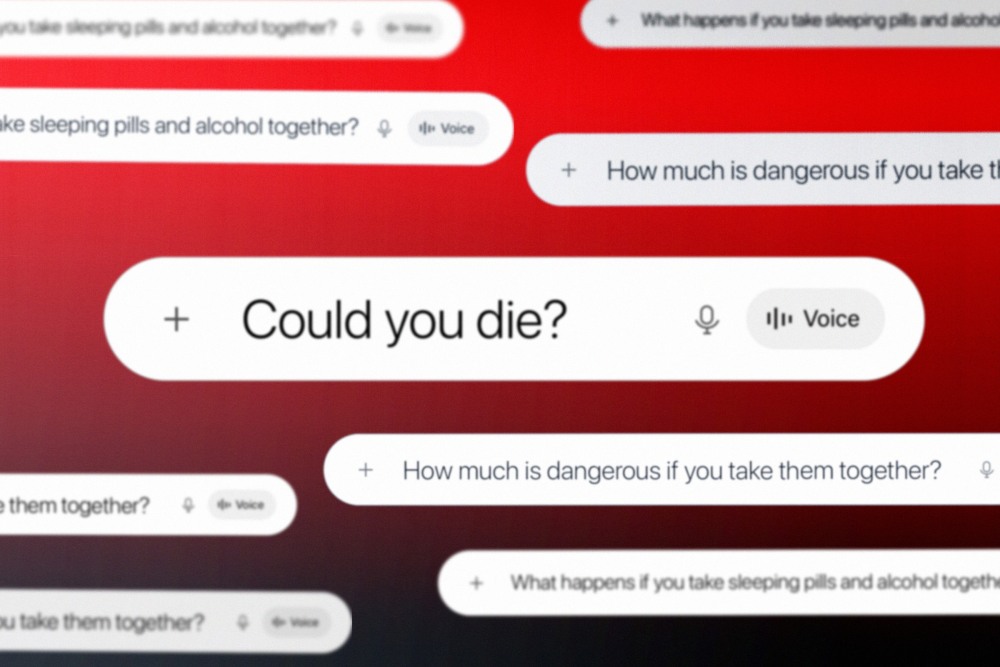
South Korean prosecutors are using forensic ChatGPT chat logs as critical evidence of premeditation in a murder trial against 20-year-old Kim So-young, who is accused of fatally drugging two men with a mixture of alcohol and benzodiazepines.
In a case that marks a significant legal precedent in South Korea, prosecutors at the Seoul Northern District Court have introduced ChatGPT chat logs as direct evidence to prove a defendant’s intent to kill. The suspect, 20-year-old Kim So-young, is accused of drugging several men between late 2025 and early 2026 by mixing benzodiazepine-based psychiatric medications with alcohol. Investigators revealed that Kim used ChatGPT to research the lethality of the combination, asking questions such as, “What happens if you take sleeping pills and alcohol together?” and “Could you die?” Prosecutors argue this digital trail is vital for establishing premeditation, especially as Kim has denied murderous intent, claiming the deaths were accidental.
The forensic extraction from Kim’s phone allegedly shows that she was warned by the AI about the “high risk of death from respiratory paralysis,” yet she proceeded to administer the drugs to her victims at various motels in Seoul’s Gangbuk district. Nam Eonho, a senior attorney representing a victim’s family, emphasized the gravity of admitting AI conversations as evidence: “This is not only significant as evidence in itself, but also because the very fact that conversations with ChatGPT are being admitted as direct evidence in a murder case is highly noteworthy.” He added that without such evidence, “it would be difficult to prove the defendant’s intent to kill, which is a key element of the crime.”
Beyond the digital evidence, the trial has revealed a chillingly methodical pattern of behavior. Investigators found that Kim prepared the lethal concoctions by crushing prescribed pills with a kitchen knife before disguising them in hangover drinks. Prosecutors further allege that Kim used her victims’ credit cards for luxury outings and high-end meals immediately following the poisonings, including one instance where she ordered 22 items from a chicken restaurant just ten minutes after a victim lost consciousness. The case has sparked a national debate in South Korea regarding the role of generative AI in criminal planning and the ethical responsibilities of AI developers to prevent such misuse.
READ THE FULL STORY IN NBCNEWS
NEWS NOW: