
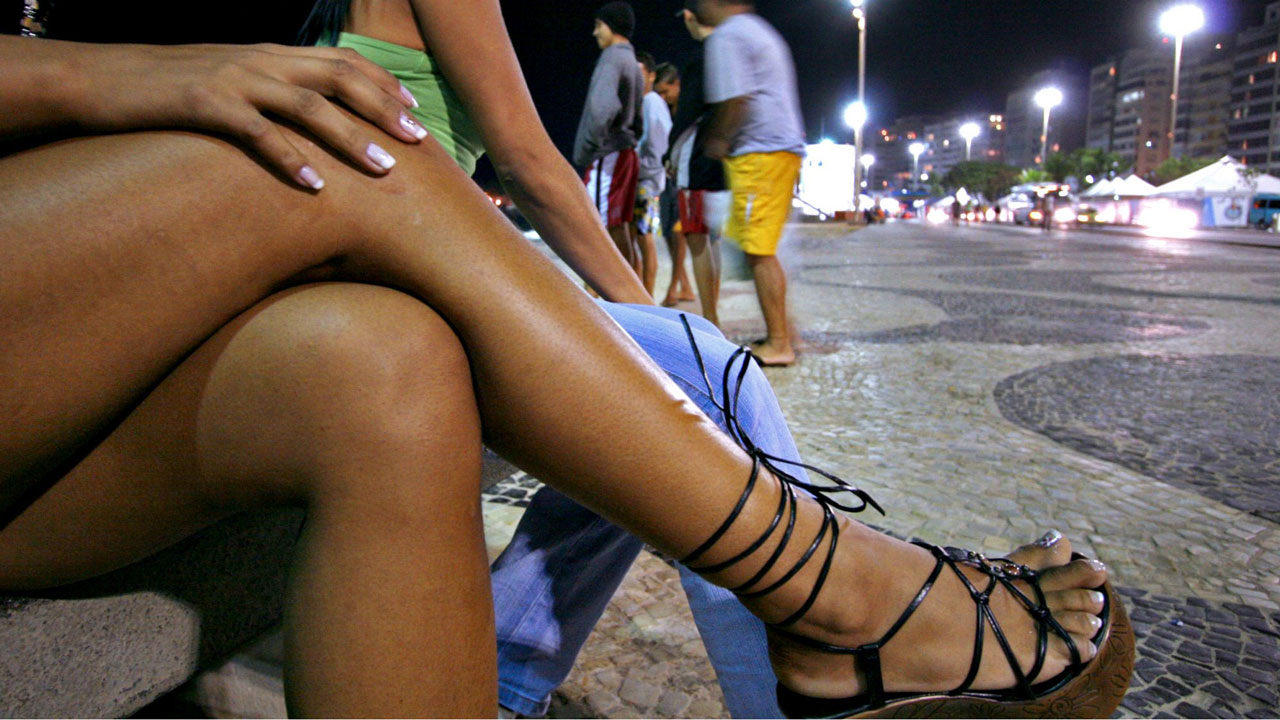
Nigerian women and girls are being trafficked in record numbers along resurgent West African and Atlantic routes into forced prostitution, ensnared by false job promises, juju oaths and fabricated debts, with Nigeria leading the continent in human trafficking and only 32 convictions recorded last year, according to an AFP investigation cited by the Daily Mail
On Valentine’s Day, a man promised Blessing a job at a phone shop in Mali. She was 16. A week later, close to the Mali-Guinea border, she and the women travelling with her realised the truth.
“They said, ‘There is no boutique or phone plaza, it’s ashawo,'” Blessing told AFP, using the Pidgin term for sex work. “We cried that night. We said that we can’t do the work.”
What followed was three months of forced prostitution. When Blessing refused to comply, a Nigerian madame called “Mommy Love” deprived her of food and water for three days. She eventually broke. Her clients paid less than $4. She escaped with four other women after her boss extracted roughly $320 from her.
AFP met Blessing at a Lagos bus depot on her way home to Cross River State — one of an estimated up to one million Nigerian women and girls trafficked annually, according to the UN. Nigeria leads the continent in human trafficking, with 83 percent of victims being women and girls. Experts say even those figures are likely underestimates, since the data relies only on testimonies from those who escape and speak out.
The methods traffickers use are sophisticated and deeply entrenched. Some victims are controlled through fabricated debts imposed by brothels. Others are bound by juju oaths sworn before traditional priests, who take snips of hair and warn women that running will bring curses upon them. “If you run away from that place, your period will not stop,” one returned victim told AFP.
The International Organization for Migration reports a “resurgence” of the West African-Atlantic trafficking route toward Europe since 2023. The UN body has helped repatriate some 67,000 victims to Nigeria since 2017. Yet the justice system offers little deterrence — only 32 people were convicted in Nigeria last year for sex trafficking women, according to a US slavery report.
For many who return, the ordeal does not end at the border. Precious, 30, fled a French brothel after two years still owing half of a €30,000 debt to her madame. When she called home from Nigeria, her parents were devastated — not relieved. “When they received the call that I am in Nigeria, they were very disappointed,” she told AFP. Returning “with nothing,” she felt ashamed. NGO worker Roland Nwoha of IRARA confirmed the pattern: “Families don’t want them, because they cannot contribute anything.”
Meanwhile, in Benin City — long the epicentre of Nigeria’s trafficking networks — recruiters continue operating openly. “They’re just everywhere,” said Knowledge, an 18-year-old newly arrived from Lagos who already knows women who have taken up the offers.
NEWS NOW:
- How dramatic capture of fake Presidential Council boss Adeyemi unfolded
- University of Abuja, SCRiH sign agreement to establish national agricultural laboratory
- Family sets burial date for Mary Habila, physiotherapist found dead, naked at Minister Umahi’s residence
- How to apply for free CAC registration under FG’s 250,000 MSME programme