
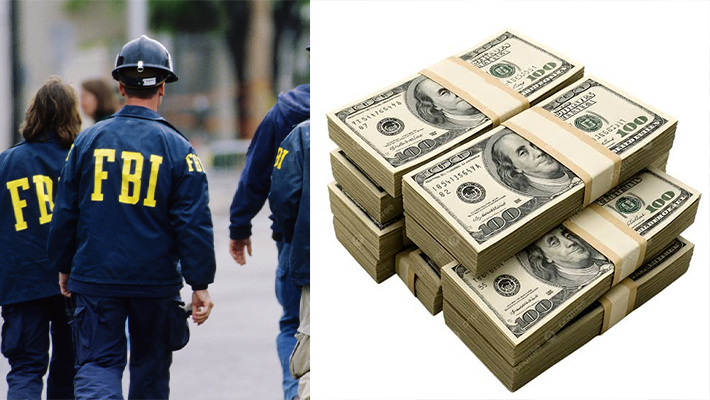
Samuel D. Marcus, 33, a US Department of Defence logistics specialist from Pennsylvania, has pleaded guilty to money laundering after admitting he knowingly served as a money mule for Nigeria-based fraudsters — funnelling millions in fraud proceeds into cryptocurrency — even after FBI agents warned him the money passing through his accounts had been stolen.
Samuel D. Marcus, 33, of Oreland, Pennsylvania, a logistics specialist with the United States Department of Defence, pleaded guilty on Tuesday before US District Judge Joel H. Slomsky to one count of concealment of money laundering — admitting he laundered millions of dollars in fraud proceeds for the same Nigeria-based scammers who had initially victimised him through a romance fraud scheme in late 2022, as reported by Gazette NGR.
From approximately July 2023 to December 2025, Marcus maintained direct and regular contact with fraudsters operating under aliases including “Rachel Jude” and “Ned McMurray,” who ran a sophisticated operation encompassing romance fraud, cyber fraud, tax fraud, financing fraud and business email compromise — collectively costing American victims millions of dollars.
At the fraudsters’ direction, Marcus and other US-based money mules rapidly converted victim funds deposited into their accounts into cryptocurrency before transferring them into foreign accounts. Marcus personally processed millions through his personal and business accounts, all while fully aware his contacts were operating criminal fraud schemes.
The case takes a particularly damning turn when one considers that the FBI directly warned Marcus that funds flowing through his accounts were stolen — and that his transfers were consistent with money laundering. He continued anyway.
Marcus also actively covered his tracks, sending fraudulent invoices to financial institutions and lying to both his banks and law enforcement officers to make the transactions appear legitimate.
Originally charged by indictment in February, Marcus is scheduled for sentencing on October 16 and faces a maximum of 20 years in prison, three years of supervised release and a $250,000 fine.
His guilty plea marks another significant node in the global web of Nigeria-based fraud operations that continue to ensnare victims — and, in this case, eventual accomplices — across the United States.
NEWS NOW: