
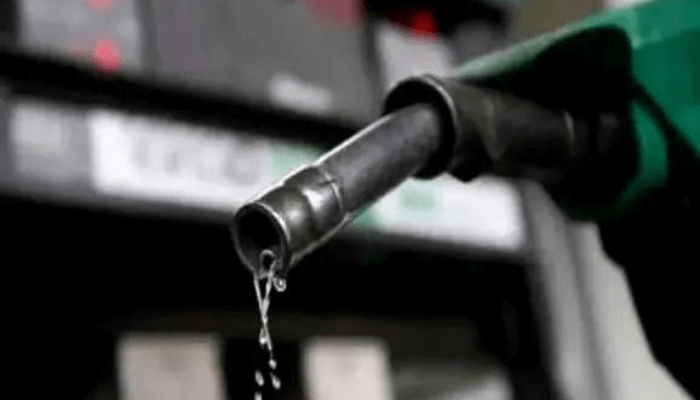
The Trade Union Congress (TUC) has warned that petrol prices could surge to ₦2,000 per litre due to Middle East tensions and domestic pressures, urging the Federal Government to subsidize crude oil for local refineries to avert further economic hardship.
The Trade Union Congress of Nigeria (TUC) has raised an alarm over the potential for the pump price of Premium Motor Spirit (PMS) to hit ₦2,000 per litre, citing a volatile mix of global geopolitical tensions and domestic economic strain. Speaking in Abuja on Thursday, April 9, 2026, TUC President Festus Osifo pointed to the escalating crisis in the Middle East—specifically involving Iran, Israel, and the United States—as a primary driver for the looming increase. Osifo noted that the disruption of key oil supply routes has sent international crude prices soaring, a reality that is already being reflected in Nigerian markets where some regions are already seeing prices approach the ₦2,000 threshold.
The labor leader emphasized that the current pricing regime is already inflicting severe damage on the Nigerian workforce and the broader economy. “Nigerian workers are already passing through excruciating pain as we speak,” Osifo stated, highlighting that the ripple effects are being felt across transportation, manufacturing, and the general cost of living. He explained that the high cost of diesel has significantly spiked production expenses for local industries, costs which are ultimately being passed down to already struggling consumers through the inflated prices of essential goods and services.
To mitigate this burgeoning crisis, the TUC has proposed a strategic intervention involving the subsidization of crude oil supplied to local refineries. Osifo urged the Federal Government to utilize excess revenues—generated when global oil prices exceed the national budget benchmark—to provide discounted crude to domestic refiners. According to the TUC president, this approach would drastically lower refining costs and lead to a swift reduction in the market prices of petrol, diesel, and aviation fuel. As of Thursday evening, the Federal Government has yet to issue a formal response to the TUC’s proposal for a crude oil price intervention.
READ THE FULL STORY IN TRIBUNE
NEWS NOW:
- Automatic draft: U.S. to enrol young men in military database without self-registration
- Abuja Embassy closure: U.S. mission cancels all visa appointments amid heightened security fears
- Telecom theft surges as 656 generators, batteries stolen in 2025
- No one asked me for a dime, Ugandan tourist praises new look of Murtala Muhammad Airport