
Yinka Ogunsanya
By any standard, Nigeria has not been timid in funding its defence and security architecture. Between 2012 and 2026, the country has allocated approximately ₦33 trillion to the sector. On paper, that level of investment should have translated into a significantly safer nation, stronger territorial control, and a security apparatus capable of decisively responding to threats.
But that is not the reality Nigerians are living in.
Breakdown of Defence Spending by Year
2012: ₦921 billion
2013: ₦1.1 trillion
2014: ₦968 billion
2015: ₦969 billion
2016: ₦1.1 trillion
2017: ₦1.1 trillion
2018: ₦1.3 trillion
2019: ₦1.3 trillion
2020: ₦965 billion
2021: ₦1.7 trillion
2022: ₦2.7 trillion
2023: ₦3 trillion
2024: ₦3.9 trillion
2025: ₦6.6 trillion
2026: ₦5.4 trillion (proposed)
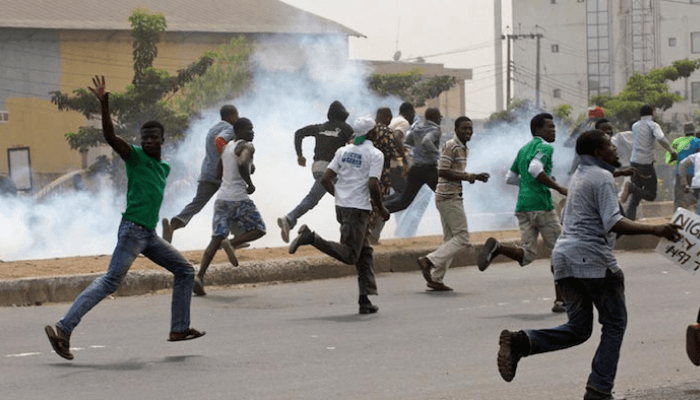
From insurgency in the North East to banditry in the North West, from kidnappings across the Middle Belt to rising criminality in other regions, insecurity remains stubbornly persistent. The uncomfortable truth is that despite the enormous financial commitment, the outcomes have been underwhelming.
A closer look at the numbers reveals a paradox. While defence spending has increased dramatically in absolute terms, rising from ₦965 billion in 2020 to ₦6.6 trillion in 2025, its share of the national budget has fluctuated and even declined, returning to 9 percent in the proposed 2026 budget, the same level as 2020. This suggests that while more money is being poured into the system, it is not necessarily being prioritized or, more importantly, optimized.
The issue, therefore, is not merely about how much is spent. It is about how effectively those funds are utilized.Nigeria’s security landscape is crowded with multiple uniformed agencies, often operating in silos, sometimes duplicating efforts, and too frequently lacking real time coordination. Intelligence sharing remains inconsistent. Operational synergy is limited. Strategic alignment is often overshadowed by bureaucratic fragmentation and competing institutional interests.
In such an environment, increased funding alone cannot deliver results.
Throwing more money at a structurally inefficient system will only produce diminishing returns. Without accountability, transparency, and a unified strategic framework, even the largest budgets will struggle to yield meaningful improvements in security outcomes.
This is why calls for sweeping reforms, such as creating new policing layers or fragmenting existing structures, must be approached with caution. Reform is necessary, but it must be sequenced and strategic, not reactionary or politically motivated.
READ THE FULL ARTICLE IN THE CABLE
NEWS NOW:
- PATTERN OF VIOLENCE: Resurfaced 2016 tape shows Wike threatening to kill INEC official
- Fela never stopped his wives from sleeping with other men, he’s only against bringing them home – Seun Kuti
- Kaduna church attack: Identities of slain, kidnapped worshippers revealed
- Blessing CEO, IVD deactivate Instagram accounts amid cancer fraud scandal