
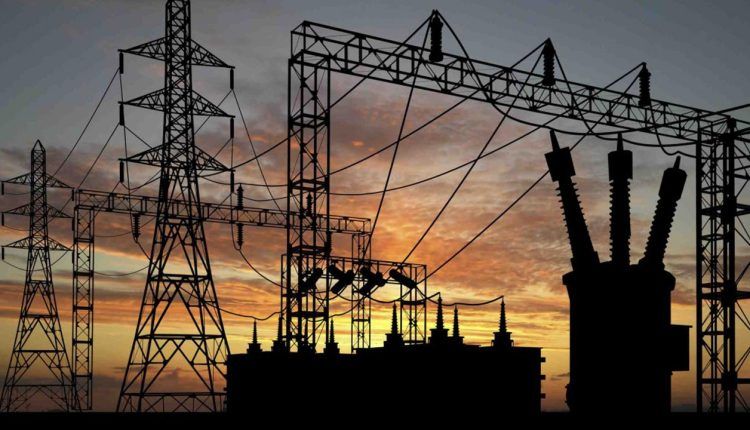
Electricity distribution companies (DisCos) in Nigeria collected ₦204.74 billion in January 2026 despite severe national blackouts and a drop in power generation to 2,000 megawatts caused by a gas supply crisis.
Despite a month characterized by severe power outages, the Nigerian Electricity Regulatory Commission (NERC) has revealed that electricity distribution companies (DisCos) collected a total of ₦204.74 billion from customers in January 2026. The high revenue collection occurred while the national grid struggled with a drastic drop in supply, which plummeted to roughly 2,000 megawatts after gas suppliers halted deliveries over a $1.3 billion debt. According to the NERC factsheet, Ikeja Electric recorded the highest revenue at ₦38.8 billion, followed by Abuja and Eko DisCos, which both collected ₦35.88 billion. In contrast, Yola DisCo reported the lowest collections at ₦4.55 billion, while Kaduna and Jos DisCos trailed with ₦10.04 billion and ₦13.09 billion, respectively.
The commercial performance data further highlighted a significant gap between the energy received by utilities and the bills ultimately issued to consumers. While DisCos received energy worth ₦336.43 billion, they sent out bills totaling ₦268.2 billion, reflecting a billing efficiency of 79.7%. This efficiency, coupled with robust collection figures during a period of generation failure, has sparked criticism from consumer rights groups. Chijoke James, Chairman of the Electricity Consumers Association of Nigeria, characterized the situation as a continuation of “extortionist” practices within the sector. “You should not be surprised because the customers who bore the brunt of inefficiencies in the sector are those without meters. They continued to pay for services not rendered. This is the reason the companies will continue to resist the federal government’s attempts to ensure that all customers are metered,” he told Vanguard.
The ongoing crisis stems from a systemic liquidity issue, as gas suppliers continue to curtail flows to thermal generation plants due to unpaid invoices exceeding ₦3.3 trillion. While the federal government initiated a ₦1.3 trillion plan earlier this year to settle these debts via cash injections and promissory notes, the impact has yet to stabilize the grid. Advocacy groups argue that as long as estimated billing remains a dominant practice, DisCos lack the incentive to improve service delivery or accelerate the national mass metering program. As of April 8, 2026, many Nigerians continue to report sporadic supply despite the high revenue targets being met by the distribution utilities.
READ THE FULL STORY IN VANGUARD
NEWS NOW:
- The U.S. has approved the departure of embassy staff from Nigeria and advised citizens to reconsider travel over security and safety concerns
- Real reason more under-5 die in Nigeria than in poorer countries – World Bank
- U.S. sanctions loom: Lobbying firm urges Trump to penalise Nigerian officials over INEC derecognition of ADC
- Tinubu will ruin Abuja, return Nigeria’s capital to Lagos if re-elected, Amaechi alleges