
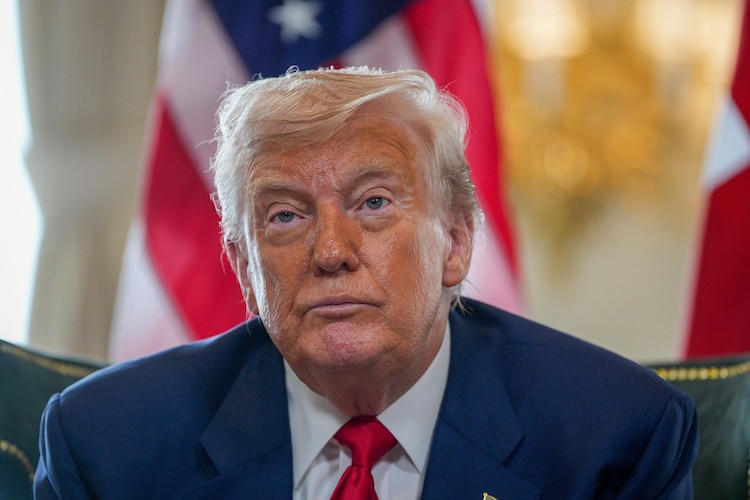
In a directive issued Friday, U.S. Citizenship and Immigration Services instructed officers to conduct a “holistic assessment” of applicants’ behavior, civic responsibility, and positive contributions.
WASHINGTON — The Trump administration has unveiled a new policy that will subject applications for U.S. citizenship to greater scrutiny, expanding the long-standing requirement that immigrants demonstrate “good moral character.”
In a directive issued Friday, U.S. Citizenship and Immigration Services (USCIS) instructed officers to conduct a “holistic assessment” of applicants’ behavior, civic responsibility, and positive contributions, rather than limiting reviews to the absence of serious crimes or disqualifying conduct.
The memo directs officers to consider factors such as community involvement, family caregiving, lawful employment, tax compliance, and length of residence in the U.S.
At the same time, the policy broadens negative considerations, including “reckless or habitual traffic infractions” and “harassment or aggressive solicitation,” even when such actions are technically lawful.
Applicants who have engaged in past wrongdoing could present evidence of rehabilitation, such as compliance with probation, payment of child support, or community references.
USCIS spokesman Matthew Tragesser said the policy was part of President Trump’s effort to “restore integrity” to the immigration system, adding, “U.S. citizenship is the gold standard … it should only be offered to the world’s best of the best.”
Critics, however, warned the expanded definition could discourage legal immigrants from applying.