
Remarkably, ISWAP does not just operate as a militant force but manages a form of governance, offering basic public services, ensuring compliance, and maintaining order in its areas of control.
MAIDUGURI, NIGERIA — The Islamic State West Africa Province (ISWAP) has built a sophisticated and lucrative parallel economy across parts of the Lake Chad region, generating an estimated $191 million annually through structured taxation, according to a new report by The New Humanitarian.
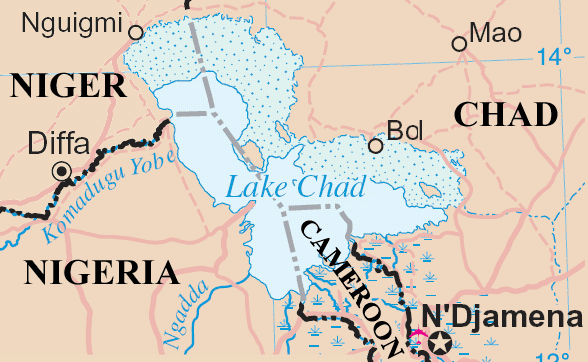
The investigation, based on months of interviews with traders, fishers, and defected ISWAP clerics, reveals that the extremist group enforces three main types of levies—zakat, haraji, and darayib—across territories it controls in northeastern Nigeria and Lake Chad islands.
ISWAP’s annual tax revenue reportedly eclipses that of Borno State, which collected just $18.4 million in 2024. The group’s taxation regime includes:
- Zakat, a religious tax on livestock, estimated to generate $3.7 million yearly.
- Haraji, a $13 entry fee imposed on seasonal workers and traders.
- Darayib, broader market taxes on trade, agriculture, and transportation, collected at checkpoints.
“Payments are enforced with receipts, designated inspectors, and harsh penalties,” the report stated. “Fishers pay up to $196 for seasonal fishing permits and a $2.60 tax per 100kg of fish before exiting the territory.”
Remarkably, ISWAP does not just operate as a militant force but manages a form of governance, offering basic public services, ensuring compliance, and maintaining order in its areas of control.
Traders told The New Humanitarian that possession of a tax receipt prevents harassment by ISWAP patrols.
Despite ongoing military offensives by the Nigerian military across the northeast, ISWAP’s ability to generate steady income from civilians highlights the challenge of fully dismantling the group.
The report paints a grim picture of a growing parallel state, one that profits not merely through violence, but by embedding itself into the economic fabric of communities too often left behind by formal governance.