
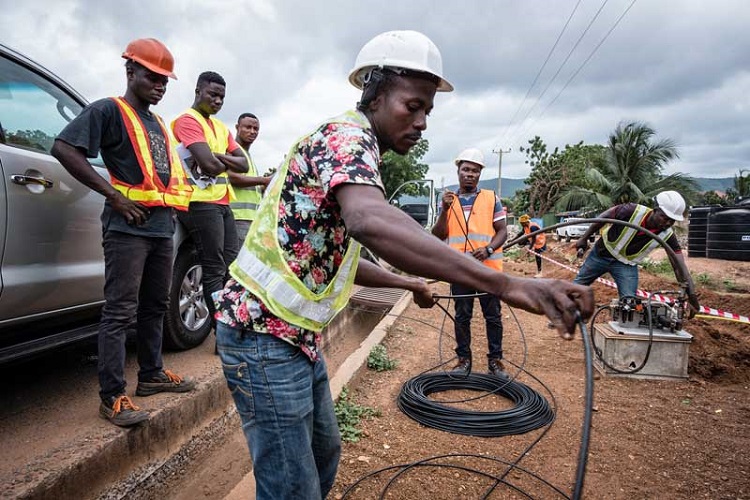
Despite a 2013 National Economic Council recommendation of ₦145 per metre, most states ignore it. While 16 states have revised fees, 12—including Anambra and Niger—have waived them entirely.
Ogun State ranks fourth in Nigeria for fibre infrastructure with 4,189km of cable, but charges the highest right-of-way fee at ₦9,477 per metre, a cost telecom firms pay to lay cables. Osun follows at ₦6,850 per metre, despite deploying just 64km of fibre.
A list compiled by telecom operators in March 2024, and seen by TechCabal, shows wide disparities. Lagos leads in fibre coverage (7,864km) but charges ₦6,264. Meanwhile, Borno, Yobe, and Gombe charge between ₦1,000 and ₦500.
Despite a 2013 National Economic Council recommendation of ₦145 per metre, most states ignore it. While 16 states have revised fees, 12—including Anambra and Niger—have waived them entirely.
“If telcos judged every investment strictly by profit, only commercial zones would get infrastructure,” said Chukwuemeka Fred Akpata.
ALTON president Gbenga Adebayo noted that “states should require telecom operators to deliver social impact projects” instead of imposing fees, warning that hidden levies also stifle progress.