
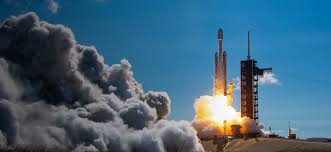
A Russian Soyuz MS-28 launch pad in Kazakhstan exploded following a routine launch to the ISS, severely damaging the facility. “Repairs are going to take a minimum of months, maybe years,” according to experts, leaving Russia unable to perform heavy-lift launches crucial for manned space missions. The incident raises immediate concerns over the operational future of Russia’s space program.
The International Space Station (ISS), scheduled for retirement within five years, now faces uncertainty. Without Russian participation, NASA and private sector plans for independent stations could be disrupted. “The plan is for private companies to go up and have their own satellite systems…that plan may no longer be viable,” the report says. Scientific experiments reliant on the ISS may face significant setbacks.
Analysts warn of potential geopolitical and orbital consequences. Russia, isolated internationally, may have little incentive to maintain satellite networks. “It doesn’t take a lot of imagination to think of how the Russians could disrupt that,” raising fears of a Kessler Syndrome event that could make low-Earth orbit unusable. The future of manned operations and satellite management now faces unprecedented challenges.