
Nigeria faces a severe security crisis as mass killings in Muslim-majority regions challenge the Trump administration’s narrative of Christian genocide while regional instability grows.
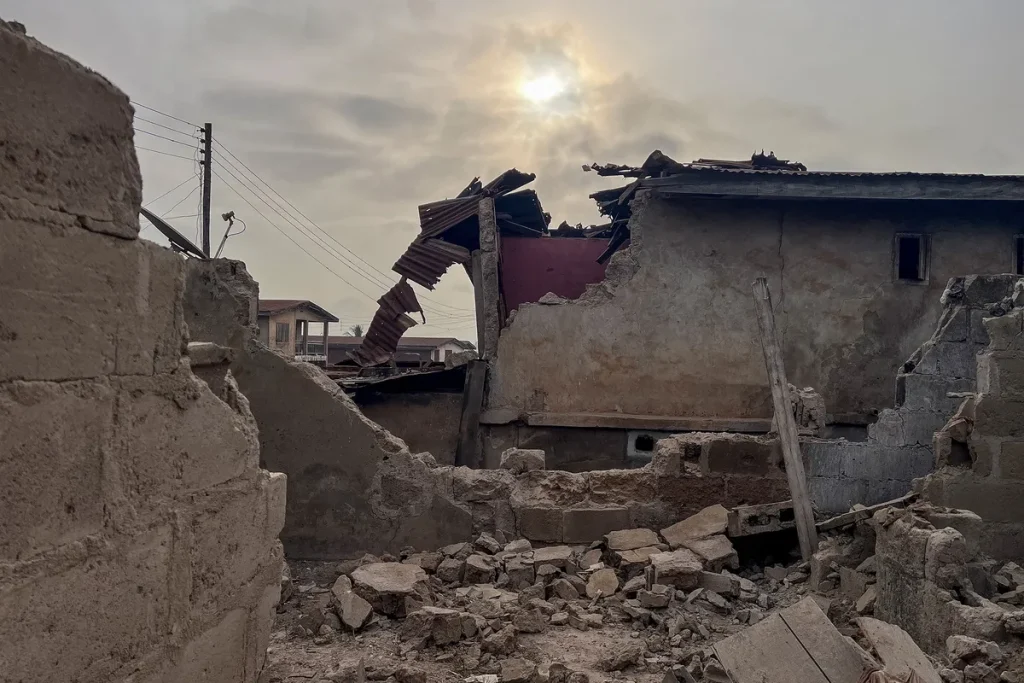
Nigeria is grappling with a devastating spike in militant activity as gunmen killed over 160 people in Kwara State and dozens more in Katsina and Borno this week. The attacks, largely targeting Muslim-majority communities, contradict claims by the Trump administration that the violence primarily targets Christians. Despite a U.S. military presence and Christmas Day airstrikes, security forces remain on the backfoot.
President Bola Tinubu faces growing public anger as he balances a re-election campaign with the need to stabilize the north and central regions. “Nigeria is in the grip of interlinked security crises… that span religious affiliations and aren’t confined to a specific region,” analysts noted. The recurring massacres highlight the complexity of a conflict that has made the Sahel the global epicenter of jihadist activity.
In a wider regional shift, Saif Al-Islam Qaddafi, son of the late Libyan dictator, was assassinated in Zintan by masked gunmen on Tuesday. Meanwhile, South African politics faces a shakeup as Democratic Alliance leader John Steenhuisen announced he will step down in April. These events underscore a period of profound political and security volatility across Africa’s major economic and military hubs.