
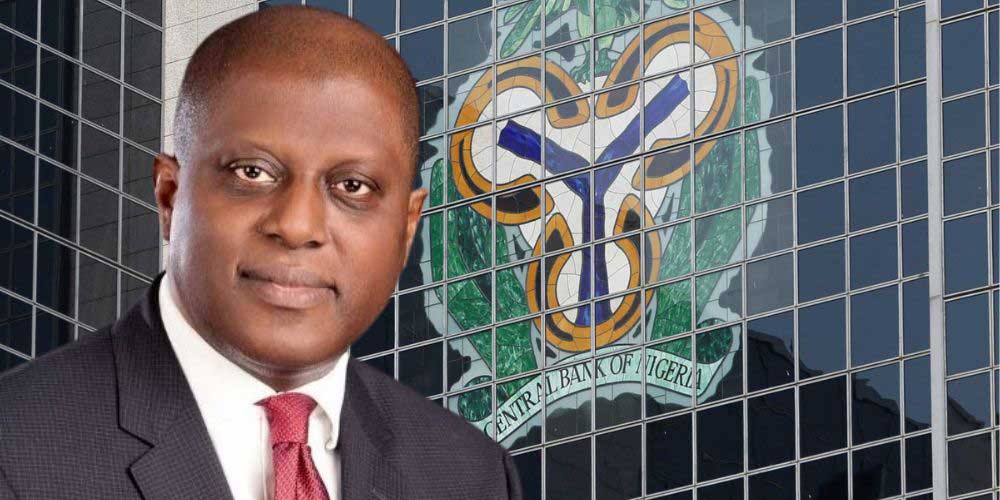
The Central Bank of Nigeria (CBN) has announced that 30 banks have successfully scaled the revised minimum capital requirements ahead of the March 31, 2026, deadline, signaling a significant milestone in the nation’s financial sector reforms.
The Central Bank of Nigeria (CBN) has disclosed that 30 banks have officially met the revised minimum capital requirements under its ongoing recapitalisation programme. In a statement released on Friday, March 6, 2026, Mrs. Hakama Sidi Ali, the Acting Director of Corporate Communications at the CBN, noted that the exercise—launched in 2024—was designed to bolster the resilience and long-term capacity of the Nigerian banking sector. “Since the introduction of the policy, banks across the industry have taken steps to strengthen their capital base in line with the revised regulatory requirements,” she stated, adding that “as of March 6, 2026, thirty banks have met the new minimum capital requirements applicable to their respective licences.”
According to the apex bank, the recapitalisation drive has seen a flurry of activity in the capital markets, with a total of 33 banks raising fresh equity through rights issues, initial public offerings (IPOs), and private placements. While 30 banks have received final confirmation, the CBN revealed that the capital positions of the remaining institutions are currently undergoing a rigorous verification process. Mrs. Ali explained that this routine scrutiny is essential for final confirmation of compliance within the stipulated regulatory timeline, ensuring that all fresh funds are authentic and align with the bank’s prudentialstandards.
Reassuring depositors and investors of the system’s integrity, the CBN emphasized that the Nigeribanking sector remains stable and sound. The regulator maintained that the programme is ontrack ttransform the industry into a more robust engine capable of supporting Nigeria’s ambition of becoming a $1 trillion economy. “The Central Bank of Nigeria will continue to maintain close supervisory engagement with regulated institutions to ensure full compliance with prudential and capital requirements,” Mrs. Ali concluded, reiterating the bank’s commitment to enhancing the sector’s ability to support households and businesses nationwide.
NEWS NOW:
- ‘Not spoken of on Monday Mornings’: Thomas Müller unpacks North America’s soccer ‘bubble’
- Dangote refinery once again hike petrol price, now N995 per litre
- Pete Edochie laments hardship, says he spends N40,000 daily on power
- Islamic movement rejects Israeli envoy’s allegations over sponsorship of terrorism in Nigeria