
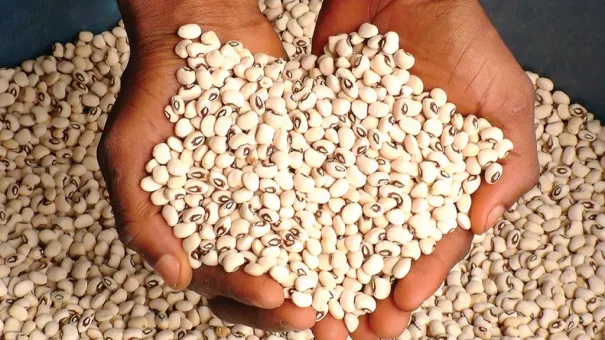
Nigeria is losing an estimated $362.5 million to $363 million annually due to the EU’s prolonged ban on its dried beans exports, a restriction driven by excessive pesticide residues and broader concerns about hazardous chemical use in local agriculture.
Nigeria is forfeiting between $362.5 million and $363 million each year in foreign exchange as the European Union’s decade-long ban on its dried beans remains in place, a consequence of persistent violations of food safety standards caused by excessive use of pesticides such as Dichlorvos (DDVP). First imposed in 2015 after the EU found residue levels that “far exceeded the acceptable Maximum Residue Limit (MRL),” the ban highlights long-standing gaps in agricultural practices and regulation.
At the National Summit on Agroecology in Lagos, stakeholders warned that continued reliance on hazardous chemicals — many outlawed in developed countries — poses severe health risks, noting that although Nigeria uses “only 25 per cent of the chemical pesticides produced worldwide,” its farmers suffer “99 per cent of pesticide deaths due to poisoning,” with WHO data showing 385 million cases of acute poisoning in 2019. The summit urged federal and state governments to increase agroecology funding, promote indigenous seed preservation, strengthen extension services, and invest in climate-resilient agriculture to boost production, reduce hunger, and enhance food and nutrition security.