
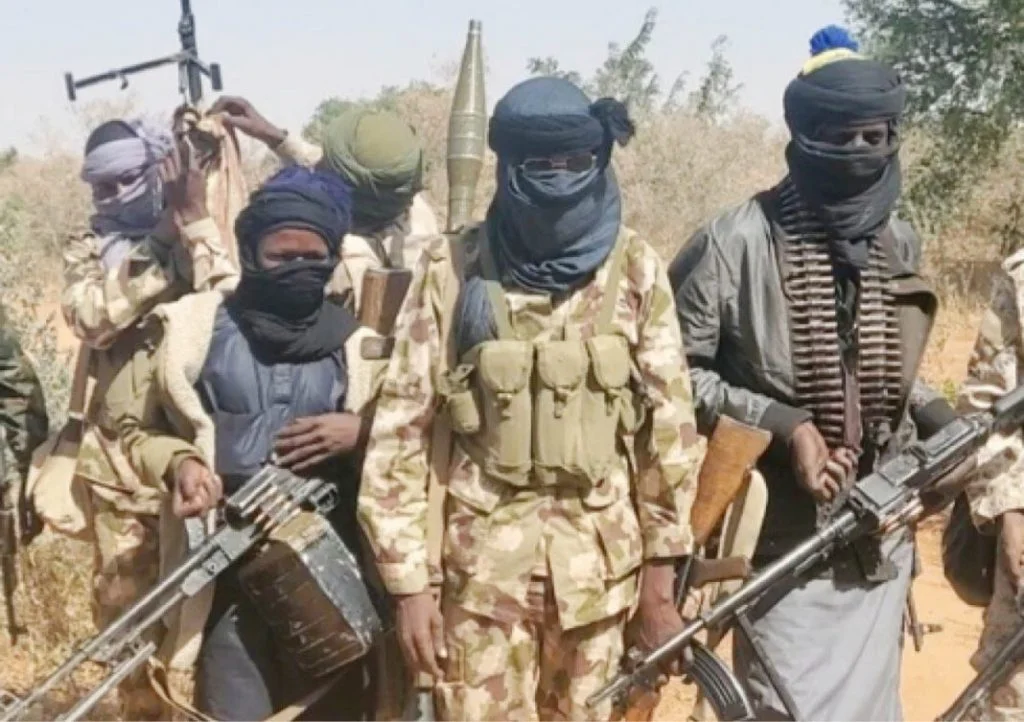
The United States and Nigeria conducted joint missile strikes on 25 December against suspected Islamic State-linked militants in Sokoto State, in what authorities described as one of the largest foreign-assisted military actions on Nigerian soil.
The operation, ordered by U.S. President Donald Trump and approved by Nigerian President Bola Tinubu, was characterised as “precision” targeting of terrorist camps based on shared intelligence from both countries. AFRICOM said the strikes aimed to weaken militant capabilities and reduce cross-border operations.
The presence of ISIS in the North-west remains disputed, even as the U.S. and Nigeria identified the targets as Islamic State affiliates. Experts disagree on whether militants in Sokoto, including the Lakurawa faction, are linked to ISIS or al-Qaeda’s JNIM network.
Researcher James Barnett argued that shifting alliances mean some fighters “may have been affiliated with JNIM in 2017-2018 but are now affiliated with ISSP,” while others maintain there is no clear evidence.
Malik Samuel, a senior researcher at GGA, insisted Lakurawa is “more al-Qaeda (JNIM)” and stated, “I haven’t seen any evidence suggesting there is a link to ISIS.”
Local accounts indicate some communities initially invited Lakurawa fighters from Mali to help suppress banditry before the group turned violent, imposing taxes, enforcing strict religious rules, and launching attacks across Sokoto and Kebbi states. Residents, farmers, women, and children have been among the victims of raids and kidnappings.
While Mr Trump claimed the militants targeted Christians, Nigerian officials and independent observers said the insecurity affects citizens of all faiths due to a mix of banditry, jihadist activity, and weak state protection.