
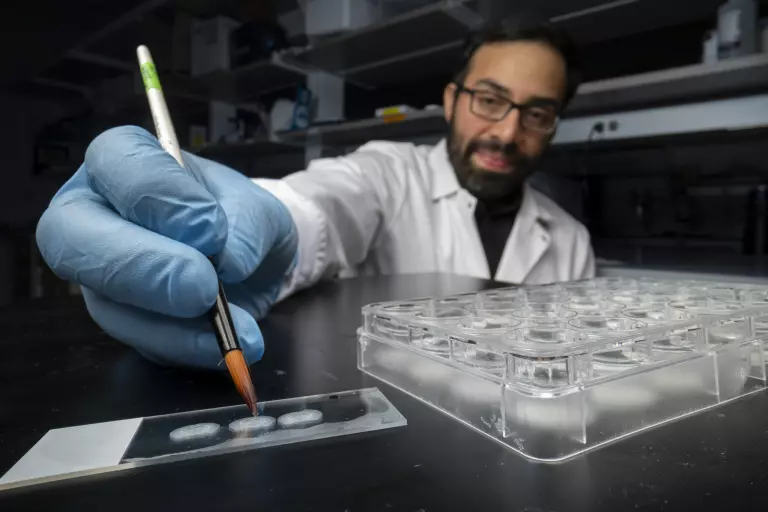
Scientists are increasingly finding that human memory is not a fixed record but a dynamic process that reshapes the brain each time it is recalled. Neuroscientist Steve Ramirez and his collaborators have demonstrated in mice that memories can be erased, implanted, or emotionally rewired, raising the possibility of future therapies for conditions such as PTSD, depression, and dementia.
Recalling a memory activates dormant brain cells, triggering chemical and electrical signals that influence emotions and even bodily functions like heart rate and stress hormones. According to Ramirez, revisiting a memory subtly alters its emotional tone and physical neural structure, meaning both the person and the memory are changed through recollection.
Over the past two decades, researchers have used light-based techniques in mice to delete fear memories, implant false ones, and reassign emotional responses between events. “It is all part of a larger revolution brewing in science to make memory manipulation a commonplace practice in the lab,” Ramirez wrote in his book, How to Change a Memory.
Ramirez stresses that the goal is not mind control but healing. “The real-life, overarching goal of all of this is to restore health and well-being to an organism,” he said. While such techniques are not expected to be directly used in humans, scientists believe understanding memory’s biology could lead to noninvasive treatments that ease mental suffering.