
by Nij Martin
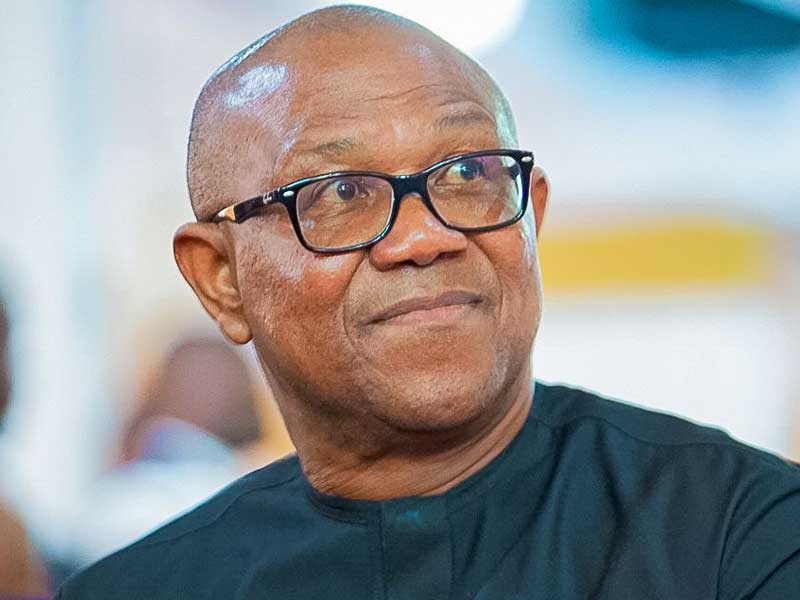
The Nigerian political landscape experienced a seismic shift this week as the 2023 Labour Party presidential candidate, Peter Obi, formally defected to the African Democratic Congress (ADC). This move, far more than a simple party switch, has begun to function as a powerful magnet, drawing a significant cohort of federal lawmakers with it and dramatically boosting the party’s strength in the South. The defection, which took place in Enugu on Wednesday, is being framed by Obi not as an act of mere political expediency, but as a patriotic duty. He called on Nigerians and opposition groups to unite under a broad national coalition with a singular mission: to “rescue Nigeria from poverty, disunity and democratic decline.”
Explaining his departure from the Labour Party, Obi stated that his decision was driven by a profound sense of national urgency. “This decision is guided solely by patriotism and national interest. I now respectfully call on my political associates, the Obidient Movement and opposition leaders across the country to join this broad national coalition under the African Democratic Congress,” he declared, adding a solemn warning: “History will not forgive silence in moments of national peril.” This rhetoric positions the ADC not just as another party, but as a vessel for a national salvation project, a narrative designed to appeal to his vast grassroots support base known as the “Obidients.”
The immediate political impact was palpable. In a post on his verified X handle, Obi revealed that three serving senators and several members of the House of Representatives were present at his defection ceremony, signaling their readiness to join the ADC. He named notable figures including Senators Enyinnaya Abaribe, Victor Umeh, and Tony Nwoye. Reports soon clarified that no fewer than eight federal lawmakers were set to officially cross over, barring last-minute changes. This group includes the three senators and five House of Representatives members from Anambra State, all formerly of the Labour Party, such as Afamefuna Ogene and Oby Orogbu.
The ADC’s leadership is understandably buoyant. National Publicity Secretary Bolaji Abdullahi confirmed that Obi’s move has injected tremendous momentum into the party. “Obi’s defection has given traction to the ADC, and we are expecting more quality politicians like him to join us,” Abdullahi told Sunday PUNCH. He hinted at ongoing positive discussions with more lawmakers and political bigwigs, expecting a further influx in the coming weeks. This exodus transforms the ADC from a peripheral player into a suddenly formidable opposition structure, effectively consolidating fragmented anti-APC forces.
This development is the culmination of strategic coalition-building. Since July, Obi had been working with other opposition leaders to present the ADC as a unified platform to challenge President Bola Tinubu in 2027. The party itself has been fortifying its leadership, bringing on board former Senate President David Mark as National Chairman and former Osun State governor Rauf Aregbesola as National Secretary. However, the influx of top-tier defectors creates a new dynamic: a crowded field of presidential aspirants within the same party. Former Vice President Atiku Abubakar and former Rivers State governor Rotimi Amaechi, who both joined the ADC earlier, have already confirmed their intentions to run in 2027. Obi’s entry sets the stage for a fiercely competitive primary among these political heavyweights.
Amidst this high-level maneuvering, the perspective from Obi’s grassroots base remains confident. Speaking to Sunday PUNCH, Obidient National Leader Yunusa Tanko asserted that Obi’s primary aim is to secure the ADC’s presidential ticket, a move he believes will attract a “wave of Nigerians” to the party. Dismissing concerns that recent defections of South-East governors to the APC could weaken Obi, Tanko argued that the former Anambra governor’s popularity is people-driven and resilient. “As far as I’m concerned, he is a popular candidate. He will definitely be able to attract more than what he had in 2023,” he stated. Tanko emphasized that electoral power resides with the masses, not political officeholders: “People want change, genuine change that can translate into good leadership in this country, and Obi represents that.”
In essence, Peter Obi’s defection to the ADC is a multi-pronged gambit. It is an attempt to forge a stronger, more cohesive opposition coalition, a direct challenge to the ruling APC’s hegemony, and the opening move in the long game for the 2027 presidency. While it successfully triggers an immediate political realignment, its ultimate test will be whether this new “broad national coalition” can manage the ambitions of its star members and translate this structural momentum into genuine electoral victory. The chess pieces are now in motion, and the next three years will determine if this alliance can truly alter Nigeria’s political destiny.