
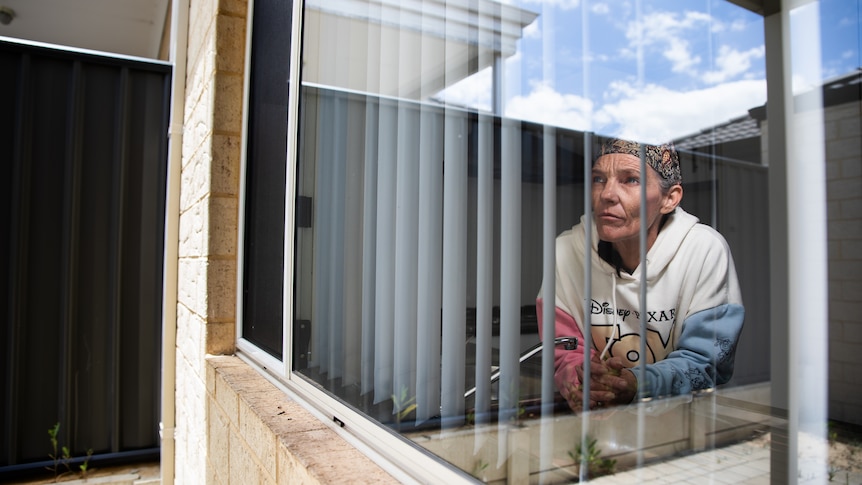
Western Australian research has found people experiencing homelessness die at an average age of 48, 35 years earlier than the national average of 83. Rebecca Hendrix, 47, experienced this crisis firsthand when doctors delayed her stage 3 cervical cancer treatment because she was living in a camper trailer with her son. “Probably three nights, four nights out of a week, I would be on my bed in the fetal position crying, just with excruciating pain,” she recalled. She could only begin chemotherapy after securing transitional accommodation.
Street nurse Natale Bogoias said poor sleep, unhealthy diets and stress compound health issues for homeless people, making it harder to escape their situation. “When people do end up on the streets, it vastly affects their mental health and their physical health,” Ms Bogoias said. “That just makes it more and more difficult for them to find their way out of homelessness.” Without stable routines or phones, rough sleepers struggle to manage medical appointments and health care.
St Patrick’s Community Support Centre chief operating officer Traci Cascioli noted growing numbers of families seeking help, with services struggling to keep up. Western Australia’s social housing waitlist reached 23,110 applications in October, with many waiting years for homes. Treasurer Rita Saffioti acknowledged housing remains the government’s “biggest challenge,” announcing $234 million for 329 additional social homes. “Just pull your finger out and give us a hand, please,” Hendrix urged the government.
NEWS NOW:
- Shiroro LGA is 40% bigger than Lagos, but it has ‘only 4’ security posts despite frequent attacks
- Alarm: Cut-throat rent hikes worsening Nigeria’s housing crisis
- Confusion as World Bank pulls Nigeria report from website days after release
- VIDEO: Boko Haram releases ‘proof of life’ video of 416 abductees