
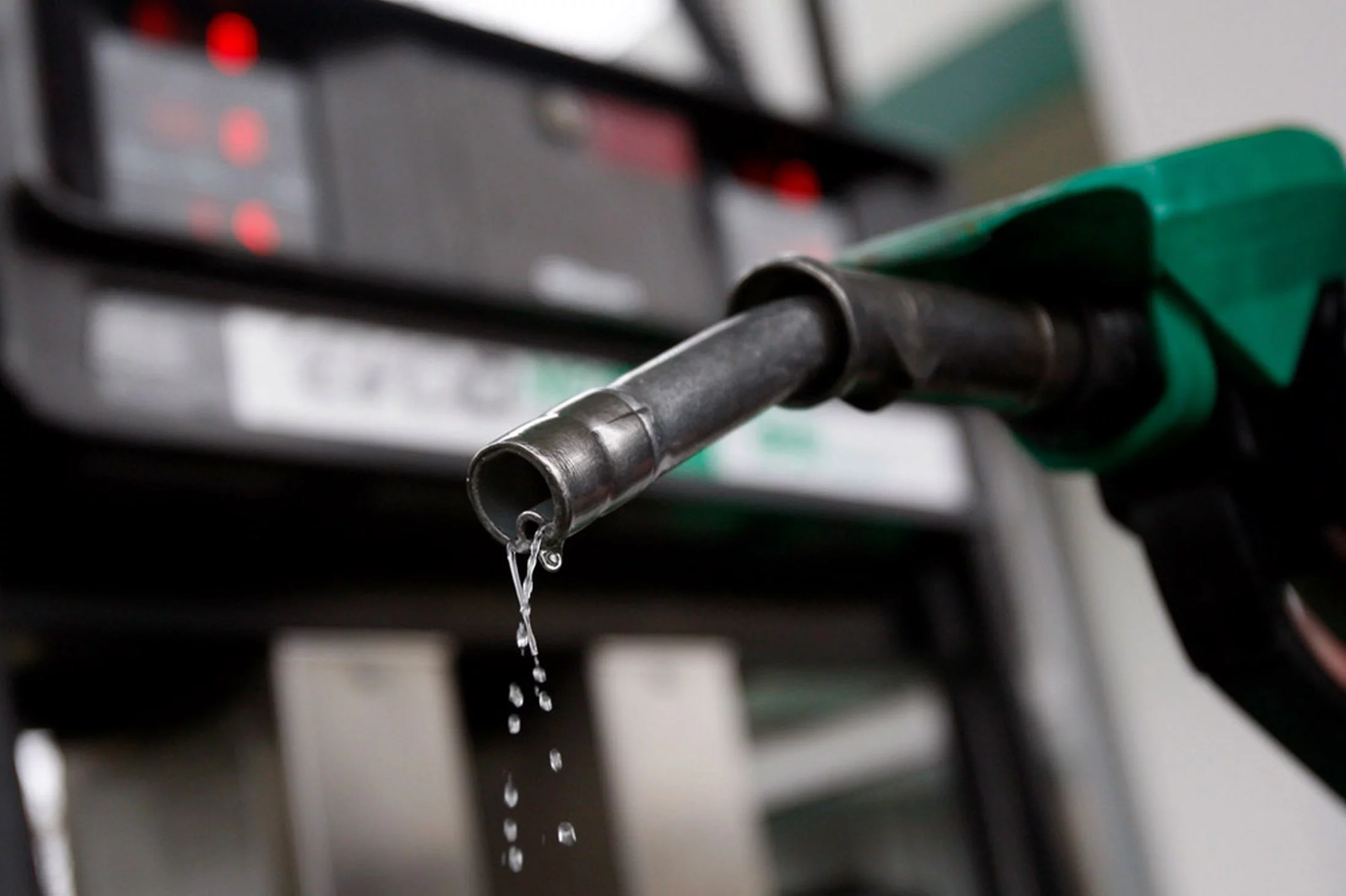
Africa’s fuel market underwent major changes in 2025, driven by new refinery projects, shifting government policies, global oil price movements and improved local supply. Fuel prices varied widely across the continent, depending on domestic refining capacity, import reliance and subsidy regimes, with countries producing more fuel locally better cushioned from external shocks.
Nigeria’s Dangote Petroleum Refinery played a central role in reshaping the market. With a capacity of 650,000 barrels per day, it eased fuel shortages and boosted confidence in Africa’s refining sector. The refinery exported about one million tonnes of petrol mid-year and announced plans to supply 1.5 billion litres between December 2025 and January 2026.
Despite increased supply, fuel prices remained unstable due to policy differences and subsidy frameworks. Libya recorded the cheapest fuel, while Algeria, Egypt, Angola, Nigeria, Sudan and Tunisia ranked among the lowest. According to GlobalPetrolPrices, December prices rose slightly in several countries, reinforcing the importance of local refining for long-term stability.
NEWS NOW:
- What do you believe killed Brigadier General Braimah? Combat? Or complacency?
- Finally, Taiwo Oyedele admits to manual errors in Nigeria’s new tax laws
- We have executed visa bans on religious freedom violators in Nigeria, says US principal adviser
- Nigerian migrant who failed UK driving tests jailed after killing pensioner in car crash