
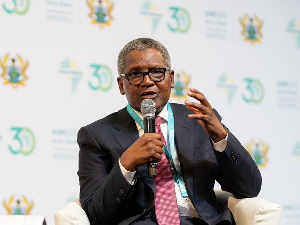
Aliko Dangote, Africa’s richest man, has addressed the price difference between Dangote cement sold in Nigeria and other countries. In a statement on December 21, 2025, he revealed that cement is cheaper outside Nigeria due to factors such as government policies, local production costs, and logistical challenges affecting pricing within the country.
Factors Contributing to High Cement Prices in Nigeria
Dangote explained that the higher cost of cement in Nigeria stems from the expensive nature of raw materials, transportation, and local operational issues. These factors make cement production more costly in Nigeria compared to other regions. He also pointed out that although the company faces these challenges, they remain dedicated to maintaining local production.
Impact of Government Policies on Cement Pricing
Dangote also attributed the high cement prices in Nigeria to unfriendly government policies. According to him, a lack of tax incentives for cement producers in Nigeria has contributed to increased costs. He noted that such policies are less of a concern in other countries where his company operates, making the product more affordable abroad.
Commitment to Expanding Local Cement Industry
Despite the high costs, Dangote reiterated his commitment to expanding the cement industry in Nigeria. He called for changes in government policies to better support local manufacturers and help reduce production costs. This, he believes, would enable him to lower cement prices and offer consumers more affordable products.
Cement Industry’s Potential for Growth in Nigeria
In his closing remarks, Dangote emphasized that the Nigerian cement industry has enormous growth potential. By fostering a more favorable business environment and providing support for local manufacturers, he expressed confidence that prices could be reduced, benefiting consumers and encouraging more sustainable growth within the sector.