

Nigeria’s governance genocide
If the US truly wishes to advance Nigeria’s democratic interests, violence is a cynical choice that would benefit neither the US, where democracy is also under strain, nor Nigeria.
If the US truly wishes to advance Nigeria’s democratic interests, violence is a cynical choice that would benefit neither the US, where democracy is also under strain, nor Nigeria.

…people who question Trump’s motive are justified. In 2016, Trump enthusiastically endorsed Ann Coulter’s book Adios America, which claimed that the growth of Nigerians in the United States from virtually zero to 380,000 was problematic because, in her words, “every level of society [in Nigeria] is criminal.”
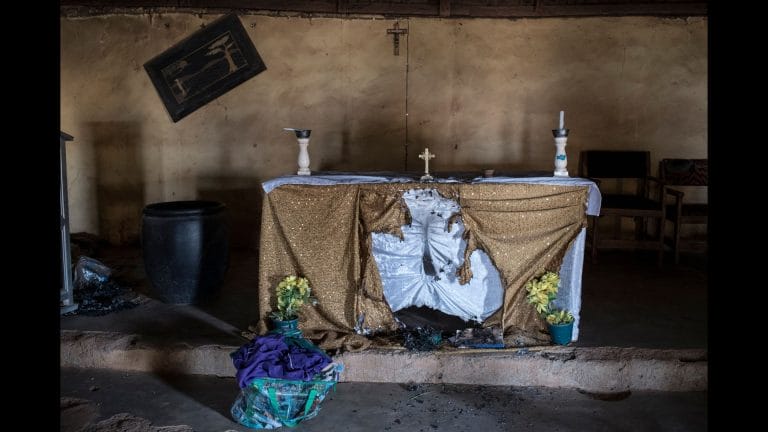
The U.S. has now designated Nigeria a “Country of Particular Concern,” citing alleged violations of religious freedom.
The Trump administration is dangerously misreading the conflict and its causes.
Until his dying day, Cheney espoused a no-regrets approach to the illegal perpetration of mass slaughter and attendant suffering…
The BBC’s primary concern appears to be ensuring its audience understands that US conservatives may have overstated the case.
I have been out of the country since last week Monday. And for the past ten days, almost every Nigerian I have encountered has sought my view about the alleged coup attempt that led to the arrest and detention of a number of military officers.
The state’s reluctance to take this matter seriously has given room for opportunists to regurgitate what we have been shouting for years. The massacres are real issues impacting real communities, but these people go unseen until election time…
It’s not “just” Nigeria, to start with. Terrorism in this region has been ongoing for many years. It’s one of Africa’s festering sores and has been more or less continuous.
It’s true that there has been violence against Christians in Nigeria—but they are not the only victims, nor would U.S. military intervention help.