
Nigeria’s inflation rate falls to 18.02% in September
Nigeria’s inflation rate dropped to 18.02% in September, marking the lowest figure since 2022, according to the National Bureau of Statistics.
Nigeria’s inflation rate dropped to 18.02% in September, marking the lowest figure since 2022, according to the National Bureau of Statistics.
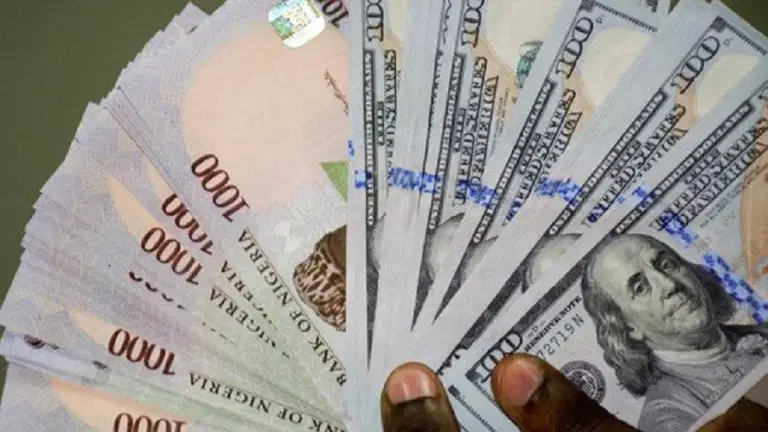
The IMF said Naira depreciation could benefit Nigeria’s economy, citing improved monetary policies and reduced inflation.
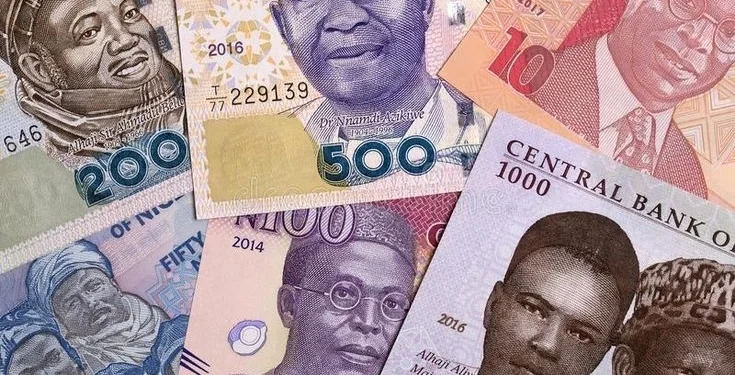
The International Monetary Fund has said that the recent depreciation of the Naira could help Nigeria’s economy adjust and strengthen its fiscal framework.
The IMF has upgraded Nigeria’s 2025 growth forecast to 3.9% while pledging tougher measures to trace illicit financial flows draining the nation’s revenue.

The Presidency says the IMF’s upgraded growth forecast for Nigeria proves President Tinubu’s reforms are working, citing gains in fiscal management, trade, and investment confidence.
A Qatari delegation has pledged $300 billion in investments across Nigeria’s key sectors, signaling renewed investor confidence in President Tinubu’s economic reforms.

The rankings show a strong continuation of dominance by financial institutions from South Africa, Egypt, and Morocco, with notable performances from Nigerian and Kenyan banks.

The Central Bank of Nigeria (CBN) is calling on Nigerians at home and abroad to adopt its newly launched “Payments System Vision 2028” and associated initiatives—such as non-resident BVN—to deepen digital financial inclusion and strengthen the country’s payments infrastructure
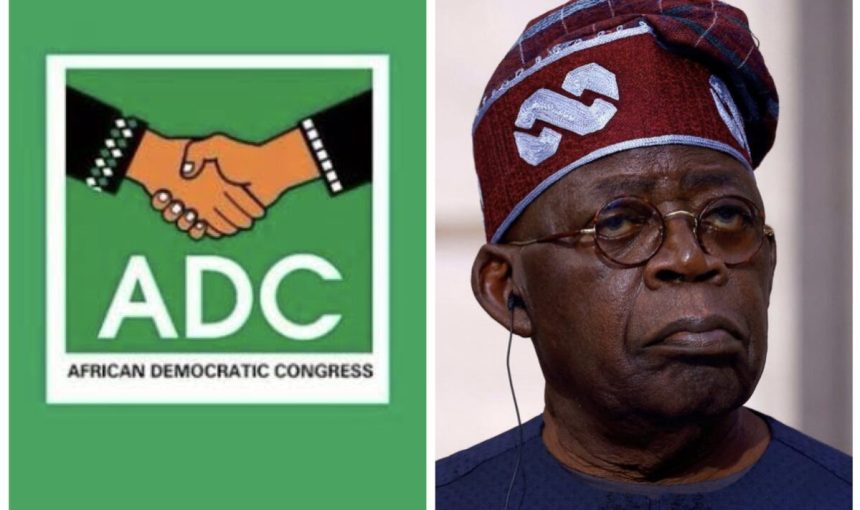
The African Democratic Congress (ADC) has used a World Bank report showing 139 million Nigerians now live below the poverty line to accuse President Tinubu’s economic policies of having “ruined lives.”

Despite improved macroeconomic indicators, Nigeria’s economic recovery remains uneven, with citizens facing worsening living conditions and persistent inequality.