
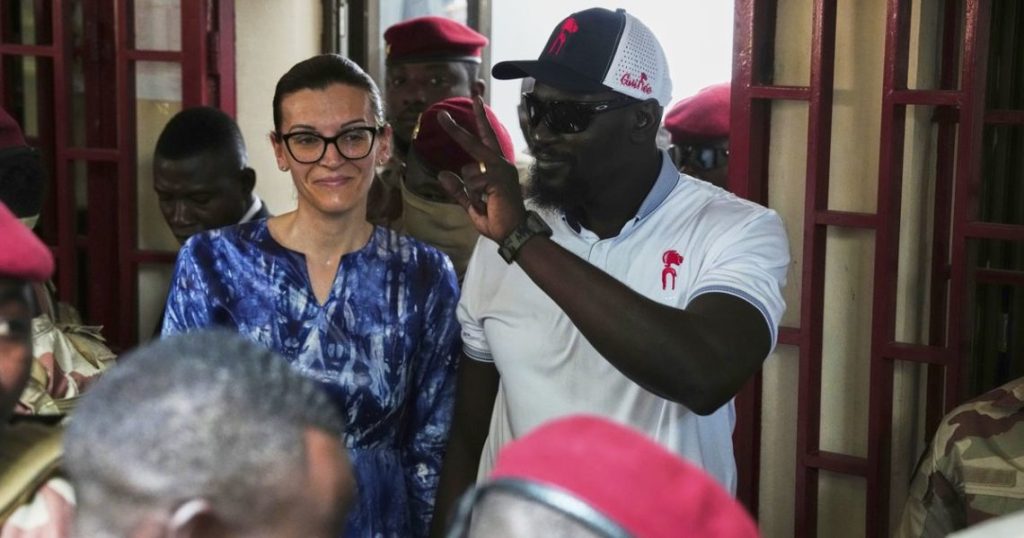
Guinea sets Dec. 28 date for first presidential election since coup
Guinea has scheduled its first post-coup presidential election for December 28 following a contentious referendum that clears the way for junta members to contest.
Guinea has scheduled its first post-coup presidential election for December 28 following a contentious referendum that clears the way for junta members to contest.
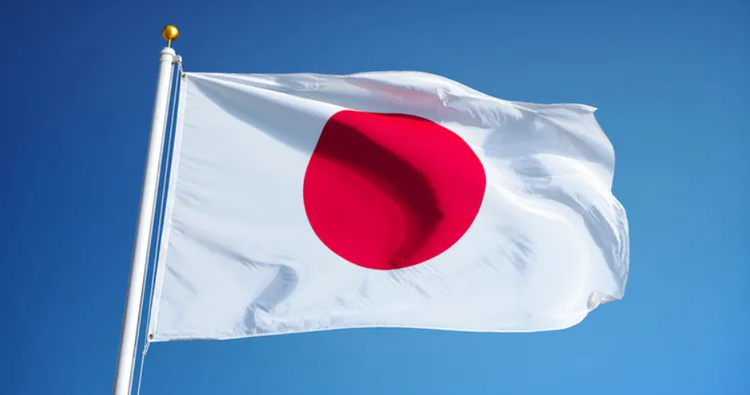
Japan’s aid agency JICA has scrapped its “Africa Hometown” programme after reports of a special visa for Nigerians caused widespread confusion and backlash.
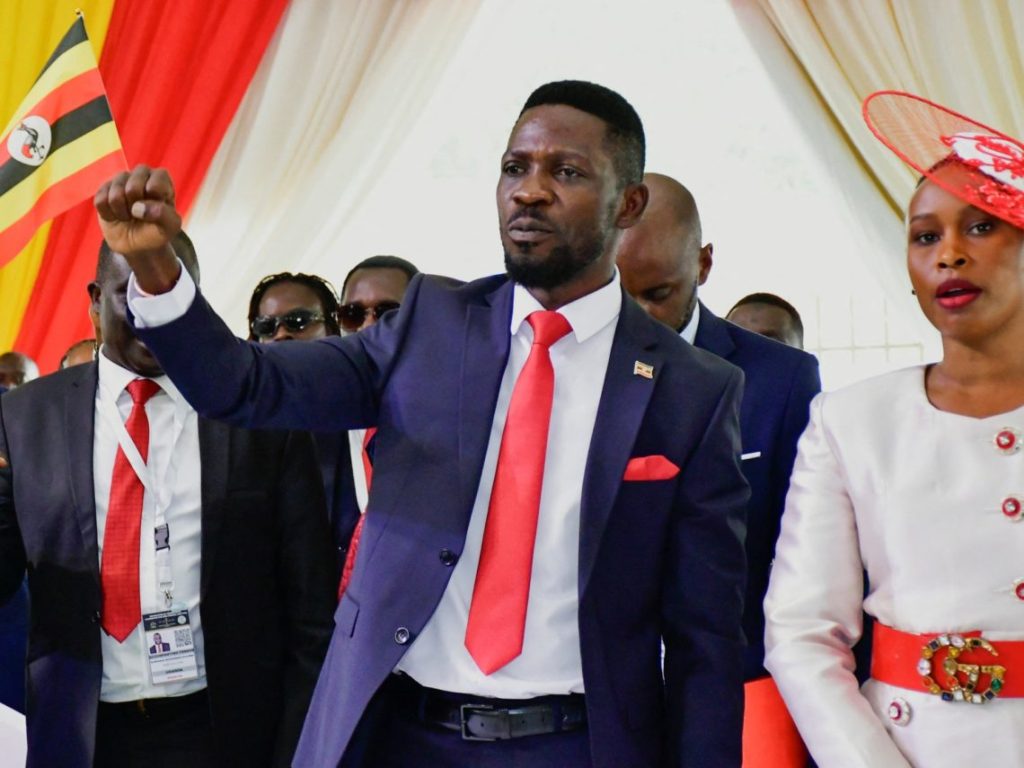
Uganda’s Electoral Commission has cleared Bobi Wine to run against longtime President Museveni in January, reigniting hopes and concerns over a fair contest.
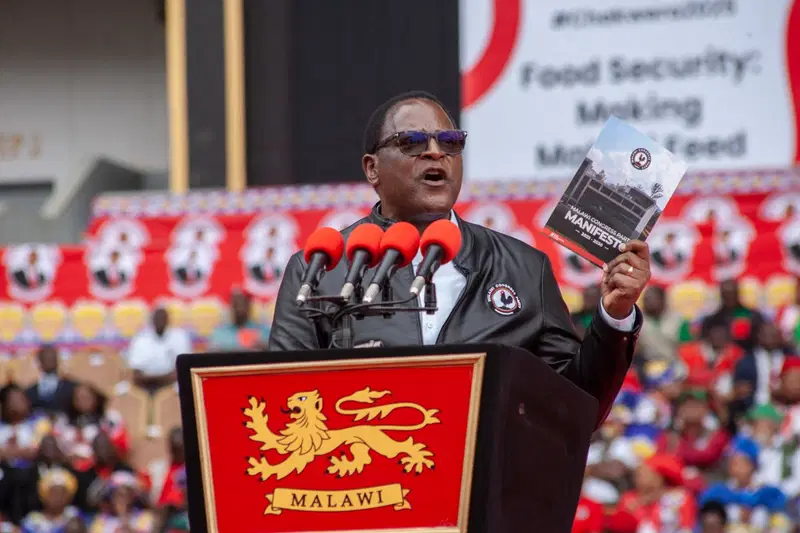
Malawi’s incumbent President Lazarus Chakwera conceded electoral defeat, acknowledging that his rival Peter Mutharika held an “insurmountable lead,” and pledged to ensure a peaceful transition.
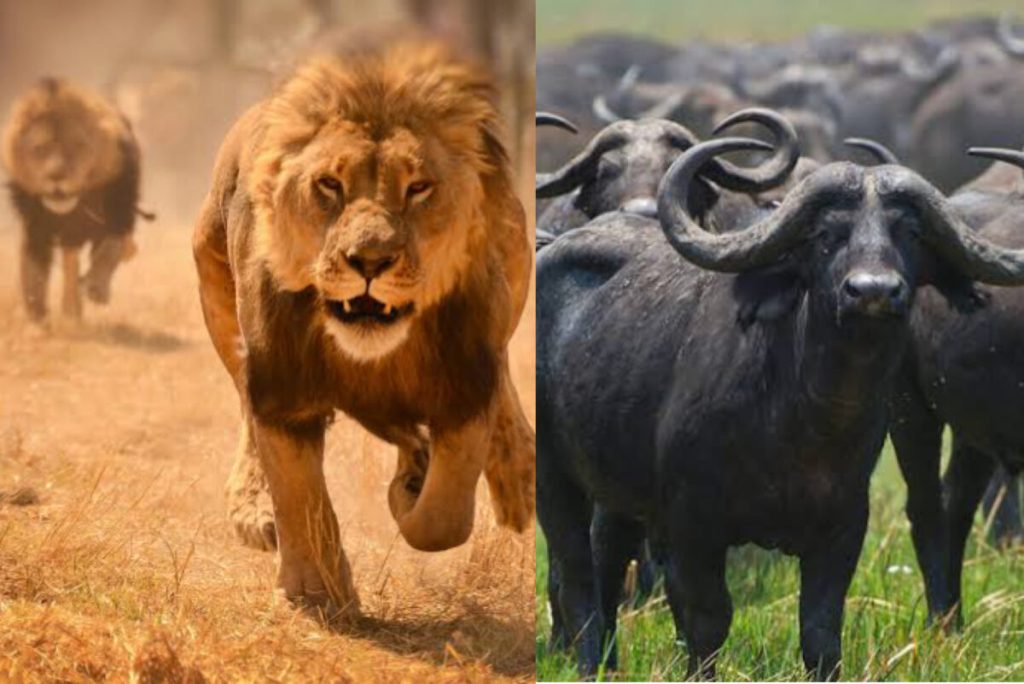
More than 80 buffaloes have drowned in Namibia’s Chobe River after a lion chase triggered a stampede, officials confirmed.

Mali, Burkina Faso, and Niger have withdrawn from the ICC, accusing it of neo-colonial bias while denying rights abuses by their militaries.
While the institution’s favoritism for Ukraine is “not surprising,” its prioritization over Africa is “disappointing, because it shows their bias and that their priorities are more for war than development.”

Brenda Biya, daughter of President Paul Biya, has urged Cameroonians not to reelect her father, openly opposing his eighth-term bid in a historic move.

Guinea will vote on a new constitution that would allow junta leader Mamady Doumbouya to run for president. The referendum is the latest attempt at a political transition in West and Central Africa
Rwanda has become the first African nation to publicly demonstrate a self-flying electric air taxi, signaling its ambition to lead the continent in sustainable aviation technology