
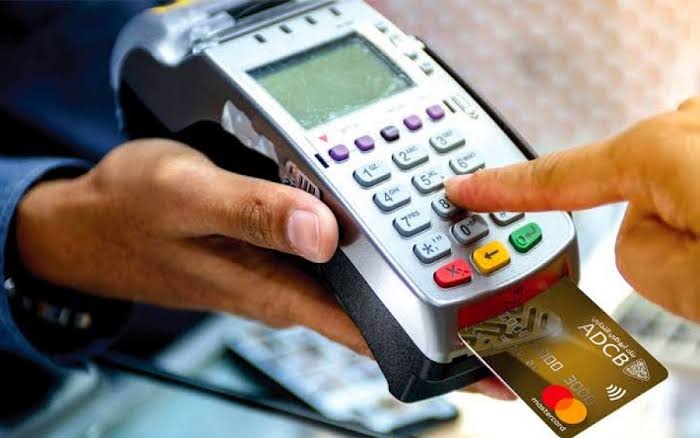
Victims often remain unaware of card cloning until fraudulent transactions appear on their accounts.
Card cloning is a type of financial fraud where criminals copy the information on a transaction card without taking the physical card. The stolen details are then transferred to a new card, enabling unauthorised withdrawals or purchases. It occurs more often with credit cards than debit cards, though any type of card — even gift cards — can be cloned. Offenders, called “skimmers,” capture sensitive data like CVV, PIN, and card numbers using hidden devices or fake keypads. Victims may remain unaware their details have been stolen until suspicious transactions occur.
Common methods:
- Fuel pump skimming – Skimmers hidden inside fuel pump POS terminals collect card details.
- POS terminal skimming – Devices attached to POS machines copy information during transactions.
- ATM skimming – Skimmers, cameras, or fake keypads on ATMs record card data and PINs.
Prevention measures:
- Secure transaction infrastructure – Proper installation, security checks, and monitoring of POS and ATMs.
- Investment in security technologies – Stronger EMV chips and RFID protection.
- Public education – Awareness of skimming tactics and safe transaction habits.
Card cloning remains a serious threat to financial security. Combating it requires a joint effort between financial institutions, law enforcement, and the public through improved technology, tighter security controls, and continuous education.