
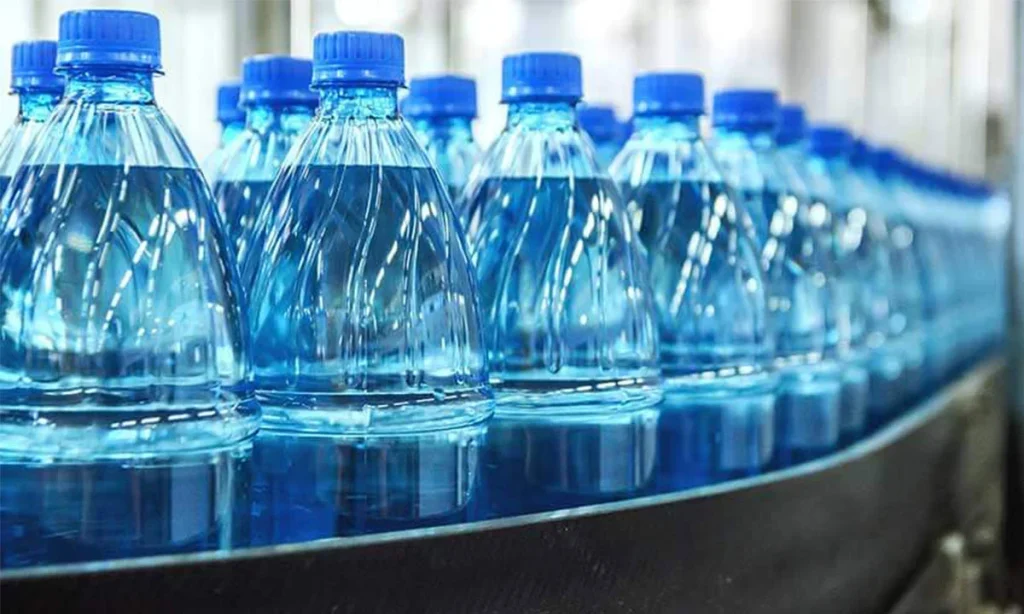
Research shows that bottled water, widely perceived as purer than tap water, may carry hidden health risks. Studies reveal bacterial contamination, microplastics, and chemical residues such as phthalates, bisphenols, and antimony in many products. Experts warn that repeated exposure to these substances could affect hormone systems, reproductive health, and metabolism.
Tap water, by contrast, is often more strictly regulated, frequently monitored, and in some countries enriched with fluoride to support dental health.
Bottled water also has significant environmental consequences. Production, transport, and disposal of single-use plastic bottles generate a high carbon footprint and contribute to ocean pollution. Researchers are exploring decentralized solutions, such as solar-powered devices that produce drinking water from the air, to reduce reliance on plastics and strengthen local water resilience.
Bottled water remains vital in emergencies, but in most developed countries, it is neither safer nor cleaner than tap water.
NEWS NOW:
- Aisha Yesufu vows to oppose Obi if he seeks second term if elected
- Video: I spent month in detention for asking politicians’ sons to join military – Dismissed soldier
- 96 days of terror: Intersociety reports 1,402 Christians killed or abducted since New Year’s Day
- Israel to Iranians: Stay off trains if you value your lives