
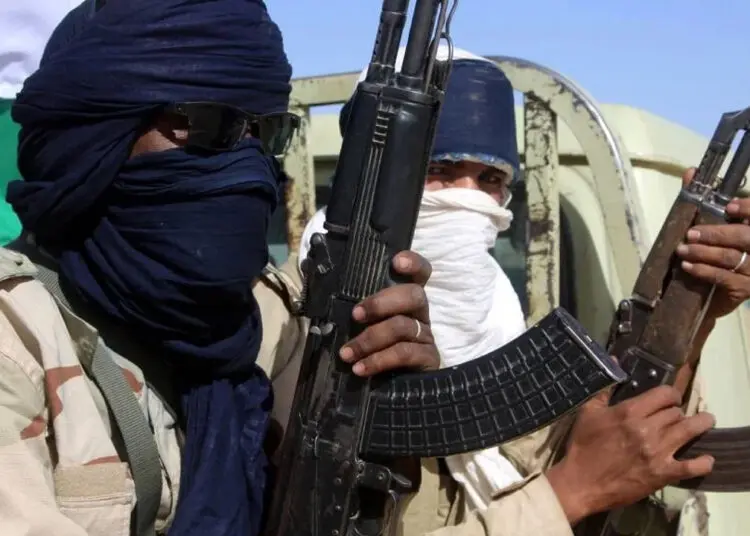
Less than four weeks after U.S. warplanes carried out airstrikes on suspected terrorist enclaves in Sokoto State on December 25, 2025, Nigeria has witnessed a sharp escalation in violence across several regions. While the Federal Government welcomed the American intervention, saying it had its approval and would bolster the fight against terrorism, subsequent events have suggested a more complicated outcome. From Kaduna and Zamfara to Niger, Sokoto, Borno and Plateau states, armed groups have launched coordinated attacks involving killings and mass abductions, raising concerns that the strikes may have altered — rather than eliminated — the threat landscape.
The U.S. operation, described by Washington as a decisive blow against Islamic State-linked elements operating outside Boko Haram’s traditional strongholds, immediately raised questions over its scope and impact. Details about the exact targets, casualties and possible civilian harm were not clearly disclosed. Within 24 hours of the strike, however, armed attacks intensified across multiple states, with communities reporting daily raids as insurgents and bandits appeared to respond with renewed aggression. Between December 26, 2025 and January 21, 2026, dozens of villagers were killed and hundreds abducted in attacks spanning the North-West, North-Central and North-East zones.
Kaduna State emerged as one of the hardest-hit areas, notably after gunmen abducted 177 worshippers from three churches during services on January 18. In the North-East, five soldiers were killed and several others injured on January 21 when a Boko Haram suicide bomber rammed into a military convoy at the Timbuktu Triangle in Borno State. Security analysts say the post-strike environment may have created a power vacuum that armed groups exploited to expand territory and boost ransom operations. “The strike disrupted some jihadist cells, but it also created a power vacuum,” a security source told Saturday Vanguard.