
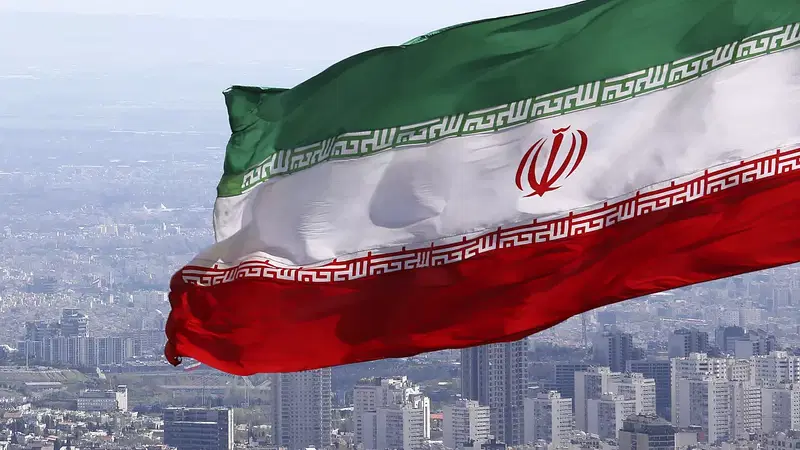
Iranian President Masoud Pezeshkian has issued a formal apology to neighboring Gulf nations for retaliatory missile strikes targeting U.S. bases on their soil, while vowing to halt further attacks unless fresh aggression originates from those territories.
In a significant softening of Tehran’s official stance, President Masoud Pezeshkian on Saturday, March 7, 2026, apologized to neighboring Gulf countries affected by a week of intense retaliatory airstrikes. The conflict, which escalated following “preemptive” strikes by the United States and Israel, has seen Iran launch a massive campaign of missiles and drones against U.S. military installations in Bahrain, Qatar, the United Arab Emirates, and Kuwait. Speaking in a prerecorded video message aired on Iranian state television, Pezeshkian sought to reassure the region that Iran’s grievances are with Western forces rather than its neighbors. “I deem it necessary to apologise to neighbouring countries that were attacked,” Pezeshkian said, adding, “We do not intend to invade neighbouring countries.”
The President’s conciliatory remarks follow a week of aggressive rhetoric from Iranian officials, who previously defended the strikes as a “legitimate right” to self-defense. Mahdavi Raja, Iran’s ambassador to Nigeria, told TheCable in Abuja on Thursday that Tehran considered it within its rights to strike those host nations because they provided the launchpads for the U.S. offensive. Raja noted that while Iran respects its friendly relations with Persian Gulf states, the presence of active American military operations on their soil made those bases valid military targets. “So this is our legitimate right, to defend ourselves and to attack those bases from which we are receiving the attacks by the United States,” Raja had previously stated during a press conference.
Despite the apology, the regional security situation remains volatile as the U.S. and Israel continue “Operation Epic Fury,” a campaign aimed at dismantling Iran’s ballistic missile infrastructure. President Pezeshkian’s message indicated a conditional ceasefire toward neighbors, stating that missile strikes would only resume if future attacks against Iran originated from those specific territories. However, he remained defiant toward Washington, dismissing U.S. demands for an “unconditional surrender” as a “dream that they should take to their grave.” As of Saturday, the conflict has resulted in over 1,200 deaths in Iran and widespread damage to energy and military infrastructure across the Gulf, leaving the world on edge over the potential for a total regional war.
READ THE FULL STORY IN THE CABLE
NEWS NOW: