
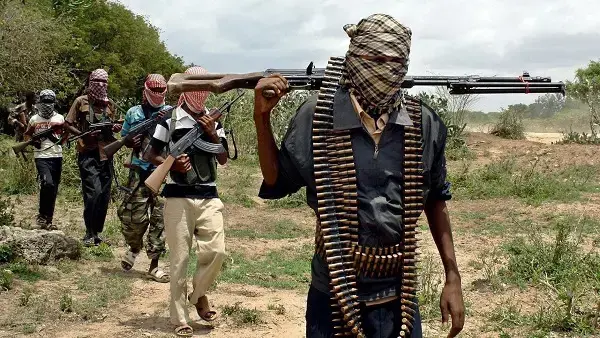
Residents of border communities spanning Nasarawa and Benue states have alleged that armed groups are systematically utilizing established forest corridors and abandoned infrastructure to launch attacks, amid growing accusations of complicity by local traditional authorities.
Residents of border communities across Nasarawa, Benue, and Kogi states have raised urgent alarms over a widening network of forest corridors and transit routes allegedly utilized by armed bandits to launch attacks and retreat into hideouts. While the Nasarawa State Government has consistently denied accusations that it harbors criminal elements, locals insist that these strategic pathways—often running through thick forests and abandoned railway corridors—have turned the North-Central region into a staging ground for mass displacement and violence. This growing insecurity has fueled persistent tensions and mutual suspicion between stakeholders in Nasarawa and Benue, as security agencies face mounting pressure to address what is increasingly seen as a cross-border dimension of the crisis.
Chief Denen Gbongbon, President of the United Farmers Association in Kadarko, Keana Local Government Area, provided detailed accounts of these movement patterns, identifying Obi, Keana, and Doma as critical transit zones. According to Gbongbon, the Akala forest acts as a major staging ground for these groups, who move openly through the region. “For a long time now, Obi, Keana and Doma have been serving as transit routes and even temporary camps for these bandits,” Gbongbon said, adding: “the routes are very clear. They are not hidden. In Kadarko, which is in Keana LGA, the major roads are between Keana and Doma. They come in through Barkin Coaltar, penetrate toward Torkura and from there move straight into Benue.”
The crisis has taken a more volatile turn as locals allege complicity among some traditional rulers who are accused of facilitating land-grabbing schemes for these armed elements. Gbongbon claimed that the influx of gunmen was preceded by land acquisitions that eventually brought militias into the fold. “The people did not just come here. They acquired land from those chiefs. After settling, they brought militias to protect the land. That is how the criminal elements came in,” he alleged. Furthermore, he accused some chiefs of actively misleading security operatives during intelligence operations, leaving the affected communities feeling abandoned by a government they claim is “fully aware” of the threat but hesitant to take decisive action.
READ THE FULL STORY IN VANGUARD
NEWS NOW: