
— Elon Musk (@elonmusk) February 26, 2026
A four-year-old Nigerian policy banning all foreign models from local advertising — not white or British models specifically — went viral in 2025 after being deliberately misframed, triggering a global race debate that obscured a straightforward economic protectionism decision.
By Nij Martin,
A post recently set X on fire with a claim that Nigeria had become the first country to ban white and British models from all advertising. It spread fast enough to pull a “hmmm” from Elon Musk himself, which, as anyone familiar with the platform knows, is roughly the equivalent of throwing a lit match into a dry field. Within hours, the replies were split between people calling it textbook racism and others insisting it was long-overdue economic justice. Almost nobody stopped to ask when this ban actually happened — because the answer turns a spicy 2026 culture war story into a considerably less dramatic 2022 regulatory memo.
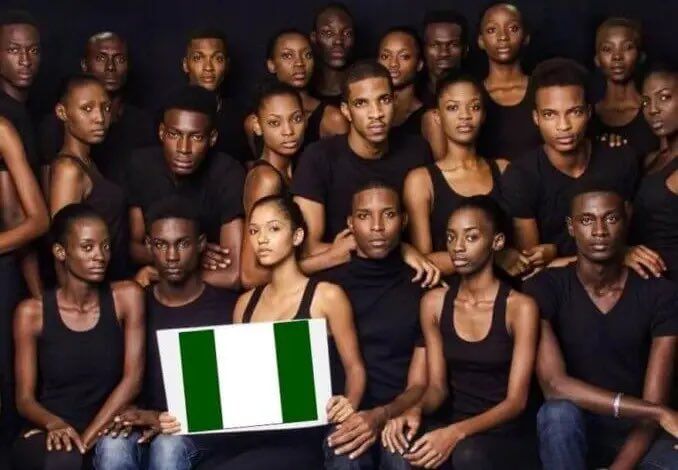
Nigeria’s Advertising Regulatory Council of Nigeria, known as ARCON, introduced the policy effective October 1, 2022. It prohibits the use of non-Nigerian models and voice-over artists in advertisements targeting the Nigerian market. That is the full scope of the rule. Not white models. Not British models. Not any specific ethnicity or nationality singled out by name. If you hold Nigerian citizenship, you can appear in a Nigerian ad regardless of your complexion, accent, or passport history. If you do not, you cannot — and that applies equally to a model from London, Lagos-born talent who relocated to Toronto, or anyone else who does not meet the citizenship threshold.
The framing that made this go viral was, at best, lazy shorthand and, at worst, a deliberate distortion designed to generate outrage. Fact-checks — including from Grok, the AI tool built into X — confirmed that the rule has not changed and was never targeted at race. Yet the misleading version of the story had already done its work, flooding timelines with hot takes built on a false premise.
What gets lost in the noise is that the original policy decision is actually worth a serious conversation. Nigeria has one of the largest and fastest-growing advertising markets on the African continent. For decades, multinational companies operating there routinely cast foreign faces — disproportionately white and Western — in campaigns aimed at Nigerian consumers, funneling talent fees and production money out of the country while profiting from its market. ARCON’s position is straightforward: if you want to sell to Nigerians, you should hire Nigerians to do it. The creative industry generates real income, builds real careers, and shapes cultural self-perception. Keeping that value inside the country is a choice many nations make in various forms, from local content quotas in broadcasting to domestic procurement rules in public contracts.
Whether you find that kind of economic nationalism compelling or problematic is a legitimate debate. Countries argue about industrial protectionism constantly, and reasonable people land in different places. But that is a very different conversation from the one X was having, which was largely a debate about whether Nigeria had declared open season on white people — a premise with no basis in the actual policy.
The episode is a useful reminder of how misinformation travels on social platforms. A post does not need to be entirely fabricated to mislead; it only needs to strip enough context away that the emotional reaction arrives before the facts do. By the time Grok and the fact-checkers weighed in, the original framing had already shaped how millions of people understood the story. Nigeria made a four-year-old economic decision. The internet turned it into a race scandal. Those are not the same thing, and the difference matters.
NEWS NOW: