
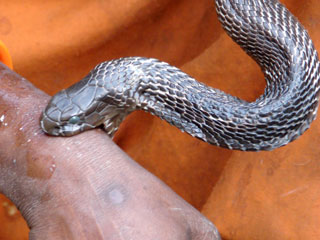
A new global report reveals that at least 50% of Nigerian health facilities cannot adequately treat snakebite envenoming, with 98% of healthcare workers reporting challenges administering the life-saving antivenom treatment.
At least 50 per cent of health facilities in Nigeria lack the capacity to treat snakebite envenoming, according to a new report released by the global Strike Out Snakebite initiative to mark World Neglected Tropical Diseases Day 2026. The report, based on a survey of 904 frontline healthcare workers across Nigeria, Brazil, India, Indonesia and Kenya, noted that weak health systems, poor infrastructure and shortages of life-saving antivenom continue to drive preventable deaths and long-term disabilities, particularly in high-burden countries such as Nigeria. Fifty per cent of health workers said their facilities lacked the full capacity to manage snakebite cases, while 99 per cent reported difficulties administering antivenom, the only treatment recognised by the World Health Organisation as essential for snakebite care.
In Nigeria, the situation was described as particularly troubling, with 98 per cent of healthcare workers surveyed reporting challenges in administering antivenom. “Nigeria is home to 29 species of snakes, nearly 41 per cent of which are venomous, yet many victims still struggle to access timely medical care,” the report read. Healthcare workers identified urgent priorities, including improving access to care, enhancing antivenom quality, strengthening regulation, expanding training, and scaling up community education to reduce risky behaviours.
NEWS NOW: