
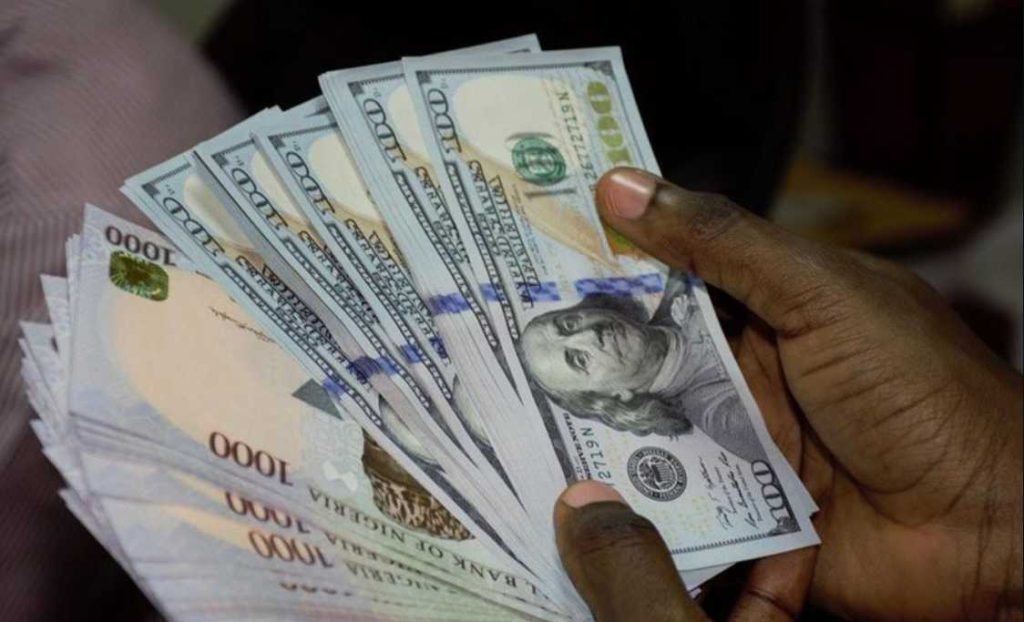
The Nigerian Naira maintained a stable trajectory against the United States Dollar during the mid-week trading session, reflecting the positive sentiment surrounding the Central Bank of Nigeria’s (CBN) 2026 macroeconomic outlook. Market participants observed a consistent performance across both the official and parallel windows as the year’s economic activity enters full gear.
Official Market Trends
In the Nigerian Foreign Exchange Market (NFEM), the Naira showed minor fluctuations but remained within a controlled range. Opening at approximately 1,419.29 per dollar, the currency saw early morning price discovery settle at 1,419.77 per dollar. This level is consistent with the closing figures from the previous session, where the rate hovered around the 1,420 mark.
The stability in the official window is attributed to a steady supply of foreign exchange and the central bank’s ongoing commitment to price transparency. Financial experts note that the 2026 projections, which forecast external reserves potentially exceeding $50 billion later this year, have helped bolster investor confidence, preventing the sharp volatility seen in previous January cycles.
Parallel Market Realities
The informal or parallel market remains slightly higher than the official rate, but the spread continues to stay within a manageable corridor. In major currency hubs across Lagos, Abuja, and Kano, the dollar is being traded between 1,480 and 1,485.
Bureau De Change operators indicate that while retail demand for personal and business travel is present, there has been a notable absence of the aggressive speculation that historically pressured the local currency. This stability is partly credited to improved diaspora remittances and a more predictable flow of foreign currency through formal banking channels.
Market Outlook
The broader outlook for the Naira remains cautiously optimistic. With inflation projected to moderate to 12.94 percent over the course of the year and real GDP growth expected to hit 4.49 percent, analysts believe the current exchange rate levels are sustainable. The transition into a “stabilization year” has so far been marked by improved crude oil output and a surplus in the balance of payments, providing a solid cushion for the Naira.
However, market watchers remain attentive to global oil price trends and domestic production levels, as these remain the primary drivers of foreign exchange liquidity in the Nigerian economy.
NEWS NOW: