
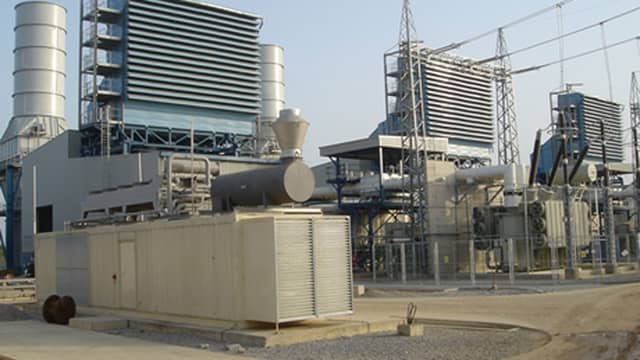
Nigeria’s power generation capacity remained largely underutilised in December 2025, with grid-connected plants operating at just 38 per cent availability, underscoring persistent structural weaknesses in the electricity sector despite years of reform. According to the Operational Performance of Power Plants factsheet released by the Nigerian Electricity Regulatory Commission (NERC), only 5,151 megawatts (MW) of the country’s 13,625MW installed capacity was available for dispatch during the month. This translated to a plant availability factor (PAF) of 38 per cent, highlighting a 62 per cent shortfall between installed capacity and actual usable power, even as Nigeria implements a service-based tariff regime that bills customers based on promised hours of electricity supply.
The report showed that average hourly generation stood at 4,367 megawatt-hours (MWh/h), with an average load factor of 85 per cent, indicating that most available power was fully utilised but severely constrained by operational limits. It also revealed a heavy concentration of output, with the 10 largest power stations accounting for 81 per cent of total electricity generated in December, raising concerns about system resilience. While hydropower plants such as Zungeru, Kainji and Jebba recorded relatively strong performance — with Zungeru operating at full availability — several thermal plants lagged significantly, reflecting ongoing challenges related to gas supply shortages, maintenance backlogs and operational inefficiencies.
READ THE FULL STORY IN THE GUARDIAN
NEWS NOW: