
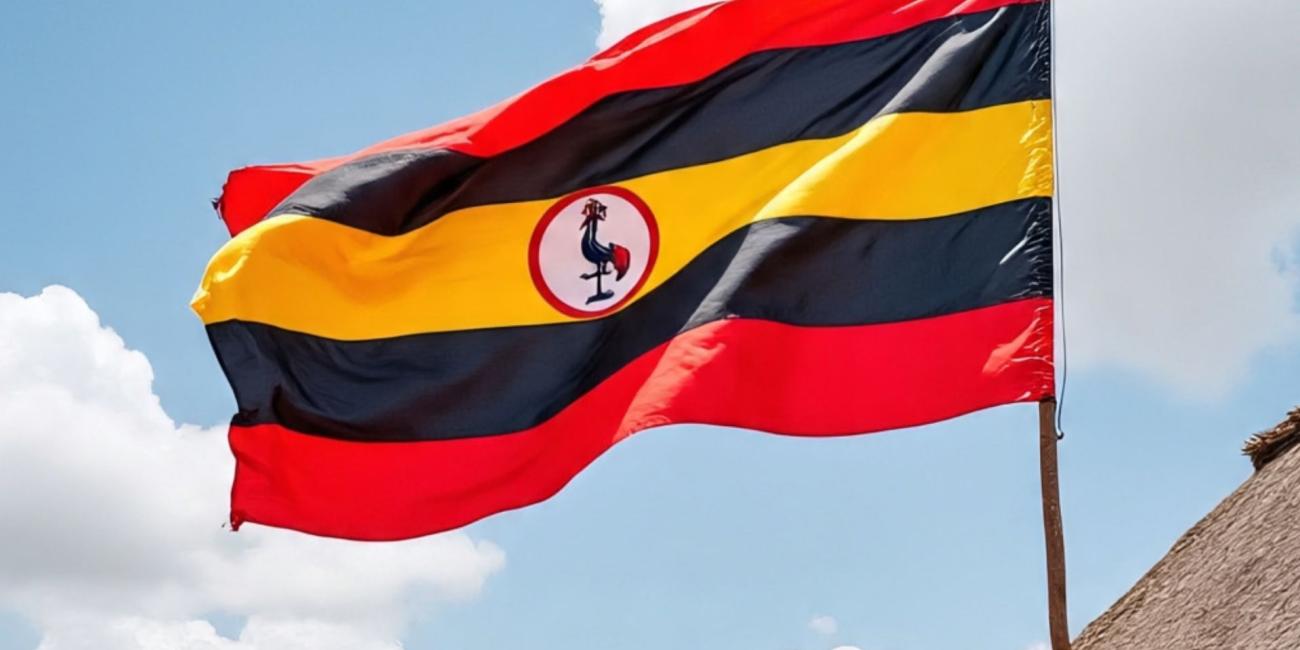
Uganda’s long-serving President, Yoweri Museveni, is seeking a seventh term in office on Thursday, a move that could extend his rule to nearly four decades since he first came to power in 1986. Now 81 years old, Museveni is once again on the ballot, aiming to continue a presidency under which the vast majority of Ugandans have never experienced another national leader. When he initially seized power, he famously remarked that “the problem of Africa in general and Uganda in particular is not the people but leaders who want to overstay in power.”
Museveni rose to power riding a wave of optimism after leading armed insurgencies against autocratic regimes. Over the years, however, that goodwill has been overshadowed by allegations of corruption, shrinking civic space, and increasingly authoritarian governance. Kristof Titeca, a professor at the University of Antwerp, told Reuters that “corruption has been central to his rule from the beginning.” Museveni has acknowledged that some officials have been involved in corrupt practices but maintains that those found culpable have faced prosecution.
Widely regarded as a shrewd political operator, Museveni has maintained strong foreign alliances by aligning Uganda with Western security interests, deploying peacekeeping forces to conflict zones such as Somalia and South Sudan, and hosting one of Africa’s largest refugee populations. His ability to sustain both domestic and international influence has played a key role in his long tenure, even as critics continue to question the democratic foundations of his extended rule.
READ THE FULL STORY IN SAHARA REPORTERS
NEWS NOW: