
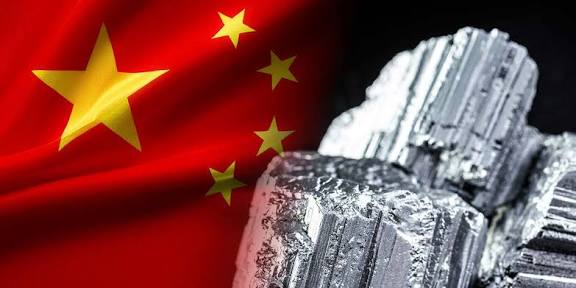
China’s dominance of the global rare-earth industry traces back to the 1960s, when the discovery of vast rare-earth deposits near Baotou prompted senior Communist Party officials, including Deng Xiaoping, to prioritize development of the strategically important but environmentally damaging sector.
“We need to develop steel, and we also need to develop rare earths,” Mr. Deng declared during a 1964 visit, laying the groundwork for decades of state planning, military involvement and scientific investment that eventually made China the world’s leading supplier of rare-earth metals and magnets used in products ranging from electric vehicles to fighter jets. By the 1980s, China had overtaken all other producers, consolidating fragmented operations under government control while tolerating heavy pollution in exchange for rapid industrial growth.
That dominance has increasingly become a geopolitical tool under President Xi Jinping, who in 2019 described rare earths as “an important strategic resource” and has since imposed export controls amid escalating trade tensions with President Trump. In April and October, Beijing restricted shipments of rare earths and magnets, moves that Treasury Secretary Scott Bessent said “pointed a bazooka at the supply chains and the industrial base of the entire free world.”
China now produces about 90 percent of the world’s rare earths, and historians say the impact rivals major energy shocks of the past. “China’s actions this year on rare earths were undeniably a major moment in geoeconomic history and international relations,” said Nicholas Mulder, a historian of embargoes and sanctions at Cornell University.
NEWS NOW: