
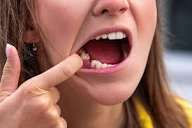
A study from Hiroshima University has found that tooth loss may directly contribute to memory decline in ways that go beyond nutritional deficiencies. The research, published in the Archives of Oral Biology and led by postdoctoral researcher Rie Hatakeyama, examined older male mice divided into four groups with different combinations of diet quality and tooth retention. After six months, mice who had their molars removed performed worse on memory tests compared to those who kept their teeth, even when both groups consumed a normal, protein-rich diet. The researchers found increased inflammation and cell death in the hippocampus—particularly in the CA1 and dentate gyrus regions responsible for forming and storing memories—of mice that lost their teeth, while a low-protein diet mainly affected a different hippocampal region called the CA3.
The findings suggest that the mechanical act of chewing may stimulate the brain in ways that protect cognitive function, independent of nutritional intake. Hatakeyama expressed surprise at the strength of the connection between oral health and brain function, stating she was surprised “that something happening in the mouth could have such a strong effect on the brain.” She believes that maintaining the ability to chew through dental treatments or dentures could help prevent mental decline in older adults. The research team plans further studies to examine how chewing influences brain activity, neurotransmitter levels, and the growth of new brain cells, with the goal of demonstrating that restoring chewing ability can help preserve cognitive sharpness in aging populations.
NEWS NOW: