
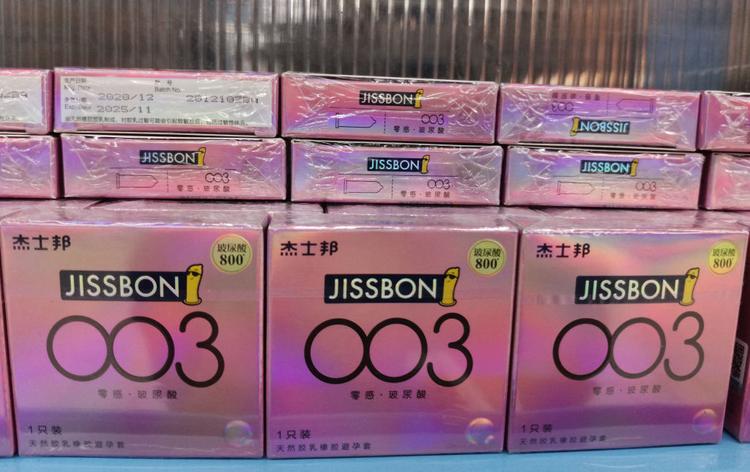
China’s plan to impose a 13% value-added tax on contraceptives from Jan. 1 has triggered widespread criticism, with many citizens arguing it unfairly burdens ordinary people. The move ends a decades-long exemption that began during the one-child policy era. Officials say the tax is merely a “technical adjustment within a broader tax-system reform,” not a population policy shift, though China continues to struggle with falling birth rates.
Online reactions have been sharp, with users on RedNote and Weibo saying the tax will not encourage childbearing amid high living costs. “Now, not only can we not afford to have children, we can’t even afford to have sex,” one user wrote. Experts say contraceptive prices have little influence on fertility choices compared to financial pressures, long working hours, and the rising cost of raising a child—estimated at more than 538,000 yuan.
Health experts warn the price increase may reduce access to contraceptives, raising risks of unintended pregnancies and sexually transmitted diseases. Some also argue the policy adds to what they call state overreach into personal and reproductive choices, especially for women. “Condoms are not a lever for boosting birth rates,” one user posted, as others expressed concern that the tax could deepen resentment toward marriage and parenthood.
NEWS NOW: