
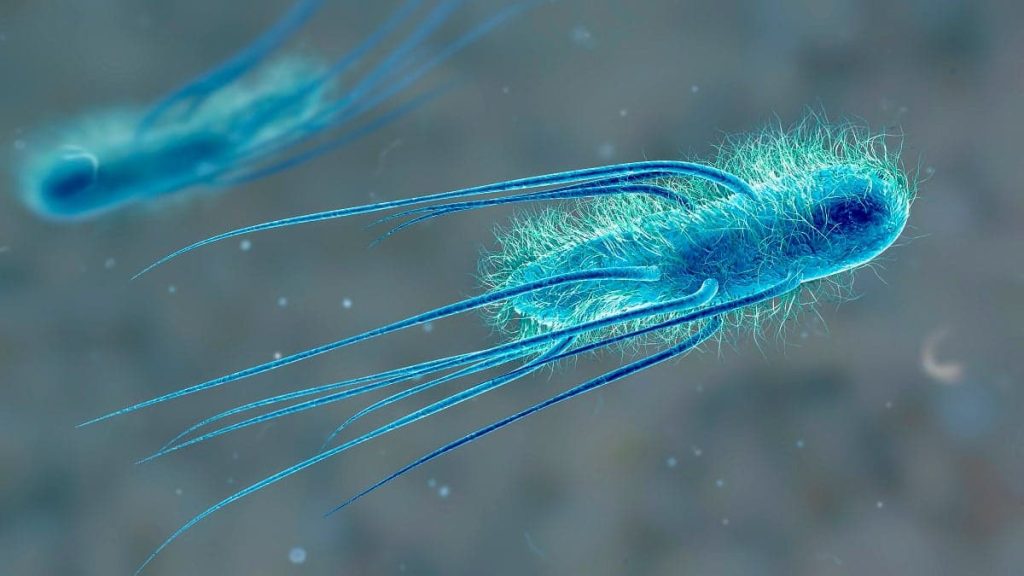
Cambridge scientists have created Syn57, a synthetic E. coli with a reduced genetic code, proving life can function more efficiently than nature’s design.
Scientists at the Medical Research Council’s Laboratory of Molecular Biology in Cambridge have engineered a synthetic bacteria with a streamlined genetic code, described as more efficient than any naturally occurring lifeform. The new organism, named Syn57, is a bioengineered strain of E. coli that operates with just 57 codons, compared to the standard 64 used by all known life on Earth. Codons are three-letter sequences in DNA and RNA that instruct amino acid production, the basic building blocks of life.
The breakthrough follows decades of research into synthetic biology. In 2019, Cambridge scientists had already reduced E. coli’s code to 61 codons. By rewriting more than 101,000 lines of genetic code, researchers have now eliminated further redundancy. “You can start exploring what life will tolerate,” said Harvard synthetic biologist Akos Nyerges. Cambridge researcher Wesley Robertson added, “We definitely went through these periods where we were like, ‘Well, will this be a dead end, or can we see this through?’… Life still works.”
NEWS NOW: