
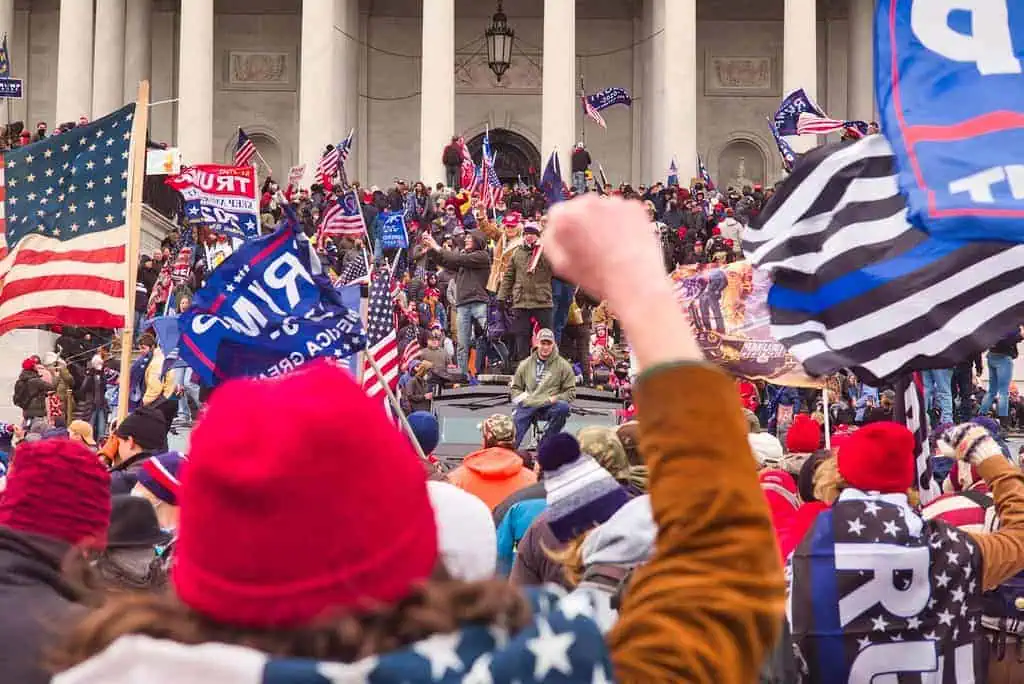
The results consistently showed a pattern: the more favorably someone rated Trump, the more likely they were to display traits like narcissism, Machiavellianism, and psychopathy—traits grouped under what researchers call a malevolent disposition.
ZME SCIENCE
In the years since Donald Trump emerged as the face of American conservatism, psychologists have grappled with a vexing question: why do so many Americans remain loyal to a morally questionable leader? Donald Trump has made tens of thousands of false or misleading claims, he had an affair with an adult star, and consistently misused donations, and that’s just the tip of the iceberg; yet, he maintains a cult-like loyal following.
A new study, published this month in the Journal of Research in Personality, suggests part of the answer may lie deep within the personalities of his supporters.
The research, led by psychologist Craig Neumann of the University of North Texas, examined whether certain personality traits—those associated with callousness, manipulation, and even enjoyment of others’ suffering—correlate with conservative ideology and support for Trump. The findings are striking: people who view Trump favorably are more likely to score higher on measures of malevolent traits and lower on empathy and compassion.
“People who view malevolent political figures favorably also report less empathy for others and enjoy the suffering of others,” Neumann told PsyPost.
Malevolence and the Modern Right
The study analyzed responses from over 9,000 U.S. adults in two large surveys conducted before and during the COVID-19 pandemic. Participants completed questionnaires that assessed their political beliefs, empathy levels, and personality traits. The results consistently showed a pattern: the more favorably someone rated Trump, the more likely they were to display traits like narcissism, Machiavellianism, and psychopathy—traits grouped under what researchers call a malevolent disposition.
The reverse also held true. Participants who scored higher on benevolent traits like humanism, faith in humanity, and respect for others tended to oppose Trump and lean politically liberal.
These patterns held across gender and racial groups, though there were key differences. White men who scored higher on psychopathic traits also showed stronger support for Trump and conservative ideology. Among men of minority status, however, psychopathy did not predict political ideology. This variation, researchers propose, could stem from differing lived experiences with social power, privilege, and marginalization.
The study also looked at empathy, and the findings were disturbing once again. Trump supporters reported significantly lower levels of affective empathy (emotional concern for others) and higher levels of dissonant empathy (enjoyment of others’ pain). Interestingly, their ability to understand how others feel (cognitive empathy) remained intact.
NEWS NOW: