
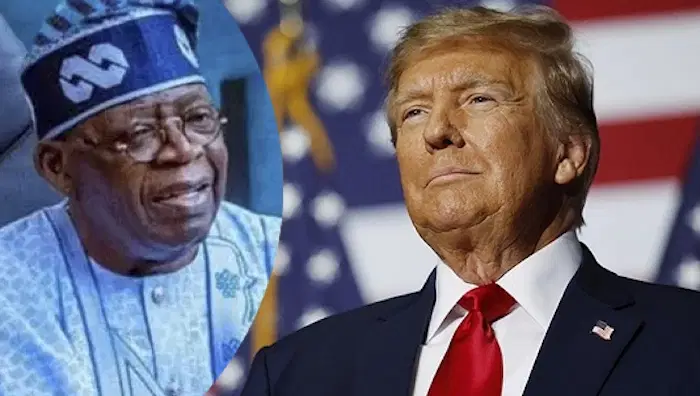
Nigeria’s retired ambassador to the United States, Joe Keshi, has strongly criticized the U.S. government’s recent decision to reduce visa validity for Nigerians from five years to just three months.
Nigeria’s retired ambassador to the United States, Joe Keshi, has strongly criticized the U.S. government’s recent decision to reduce visa validity for Nigerians from five years to just three months, warning that the change will have serious consequences for businesses, students, and tech innovators.
The U.S. Mission in Nigeria announced the new policy last week, which took effect on July 8, 2025. Initially citing “reciprocity” as the reason, the embassy later clarified that the decision was part of “an ongoing global review” based on technical and security benchmarks to safeguard U.S. immigration systems.
“We value our longstanding partnership with Nigeria and remain committed to working closely with the Nigerian public and government officials to help them meet those criteria and benchmarks, thereby ensuring safe, lawful, and mutually beneficial travel between our nations,” the U.S. Embassy stated via X on Friday.
Nigeria Disputes Rationale
Nigeria’s government has pushed back, arguing that the explanation of reciprocity is unfounded. The Presidency issued a statement pointing out that U.S. citizens still enjoy a five-year visa policy from Nigeria.
Foreign Affairs Minister Yusuf Tuggar suggested the new U.S. stance might be linked to Nigeria’s refusal to accept deportees from Venezuela, though this was denied by Nigeria’s mission in the U.S.
“It will be difficult for a country like Nigeria to accept Venezuelan prisoners into Nigeria. We have enough problems of our own,” Tuggar said during a live TV interview.
“You will be the same people that would castigate us if we acquiesce to accepting Venezuelans from U.S. prisons to be brought in.
Policy to Fuel Corruption, Economic Drain’ – Keshi
Ambassador Keshi, speaking in an interview, said the new policy would worsen corruption in visa processes and deepen financial burdens on Nigerians who frequently travel for business, education, or tech engagements.
“The worst part is that this policy would increase the corruption in the process. No embassy, particularly in Nigeria, would tell you that there’s no corruption in visa issuance. There’s huge corruption. So Nigerians pay a lot, and with this new policy, we probably have to pay more.”
He warned the move would severely limit urgent travel for Nigerian professionals.
“If you have an urgent meeting in Washington, United States, it simply means that you can’t go. This is why the development is very unfortunate. But one way or the other, it hurts both sides. But it hurts Nigeria more.”
Keshi also criticized advanced nations for hypocrisy, saying their visa fees contribute to capital flight from African nations.
Call for Diplomatic Reset and Policy Review
Keshi stressed the need for Nigeria to shift from rhetoric to reality in its diplomatic approach with the U.S., citing a lack of real strategic partnership.
“While in service, I had been urging Nigeria to build a far more cordial relationship with the United States, but we pretend to deceive ourselves by saying we have a strategic relationship with the U.S. We never had any.”
He said Nigeria should negotiate more favourable visa terms through clearer implementation of reciprocal agreements, particularly noting that while the U.S. quickly honored a previous five-year visa deal, Nigeria delayed its own response.
Keshi also referenced possible geopolitical tensions, pointing to Nigeria’s growing affiliation with BRICS countries and former U.S. President Donald Trump’s warnings against non-dollar international transactions.
“Coming close to it is the BRICS meeting where President Donald Trump vowed to punish those doing business without using the dollar.”
Security Concerns Not a Factor – Keshi
On whether security concerns influenced the U.S. decision, Keshi dismissed the notion.
“I don’t think security concerns played a role. How many Americans come to Nigeria compared to the Indians?”
Review of Visa Reciprocity Urged
He advised the Nigerian government to initiate a broad review of visa arrangements with other countries, including the UK, to reduce the cost and balance the diplomatic scales.
“The visa review of all the countries in Nigeria does not favour Nigerians. These countries make a lot of money, both from the legal ones Nigerians pay as well as the illegal ones through middlemen.”
Keshi urged Nigerians to push for transparency and fairness in visa processes to minimize losses to foreign embassies.
Nigeria’s Weak Global Trade Position Highlighted
Addressing broader implications, Keshi criticized Nigeria’s overreliance on imports and failure to boost exports beyond oil, stating that this economic weakness affects the country’s leverage in global partnerships.
“What exactly are we exporting to these countries that would make us strategic partners in terms of trade beyond oil? Is it enough? The bottom line is production on all fronts.”
He added that countries like China thrive due to their export-driven economies, and Nigeria must follow suit if it hopes to gain real economic clout.
THIS ARTICLE ORIGINALLY APPEARED AT VANGUARD
NEWS NOW: