
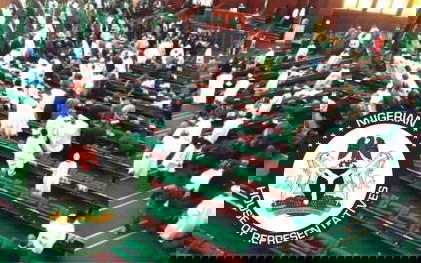
“Lawmaking is ultimately about the people it serves, and any reform must respect individual freedoms,” Speaker Abbas stated.
The bill, which passed its second reading in March 2024, sparked debates among lawmakers and civil society groups. While supporters argued it would increase voter turnout, critics raised concerns over individual rights and enforcement challenges. Speaker Abbas, in a statement by his media aide, Musa Abdullahi Krishi, said the decision followed “extensive consultations with stakeholders.”
Citing examples like Australia and Brazil, where compulsory voting works, Abbas acknowledged Nigeria’s unique context. “Lawmaking is about the people it serves, and any reform must respect individual freedoms,” he stated. Instead, he pledged to explore non-coercive measures to encourage voter participation, particularly among youth.
The withdrawal reflects growing sensitivity to public opinion on electoral reforms. Abbas emphasized the need for homegrown solutions, stating, “The bill was introduced with the best of intentions,” but conceded voluntary engagement remains preferable. Analysts say the move may reignite discussions on alternative voter mobilization strategies.
READ THE FULL STORY IN VANGUARD
NEWS NOW:
- US to halt routine visa processing at Abuja embassy, 24 other African missions
- US ends routine visa services at Abuja Embassy, 24 other African posts
- Minister Umahi allegedly sends fresh threat to SOKAPU president over N20bn Mary Habila lawsuit
- ‘I hit him with plank three times’— Suspects recount roles in mob killing of UniJos graduate over missing iPhone